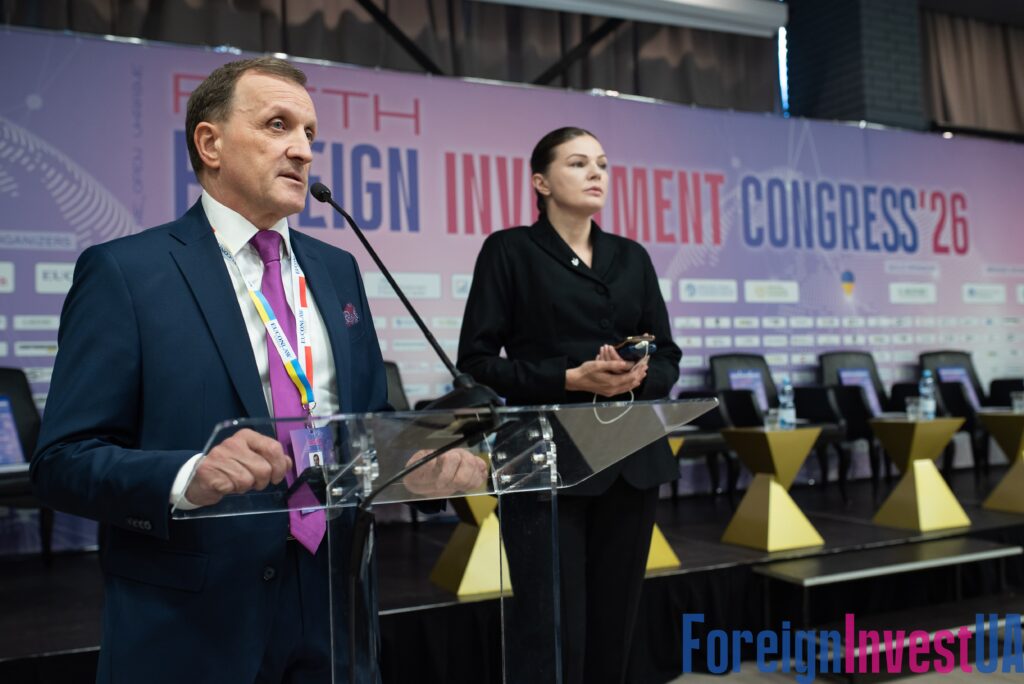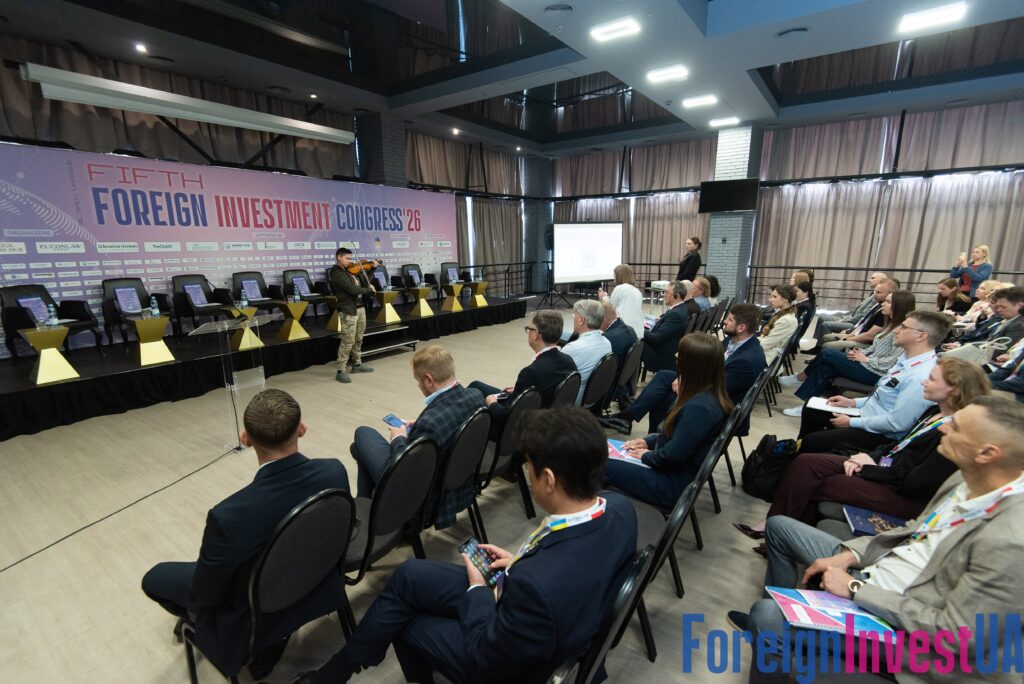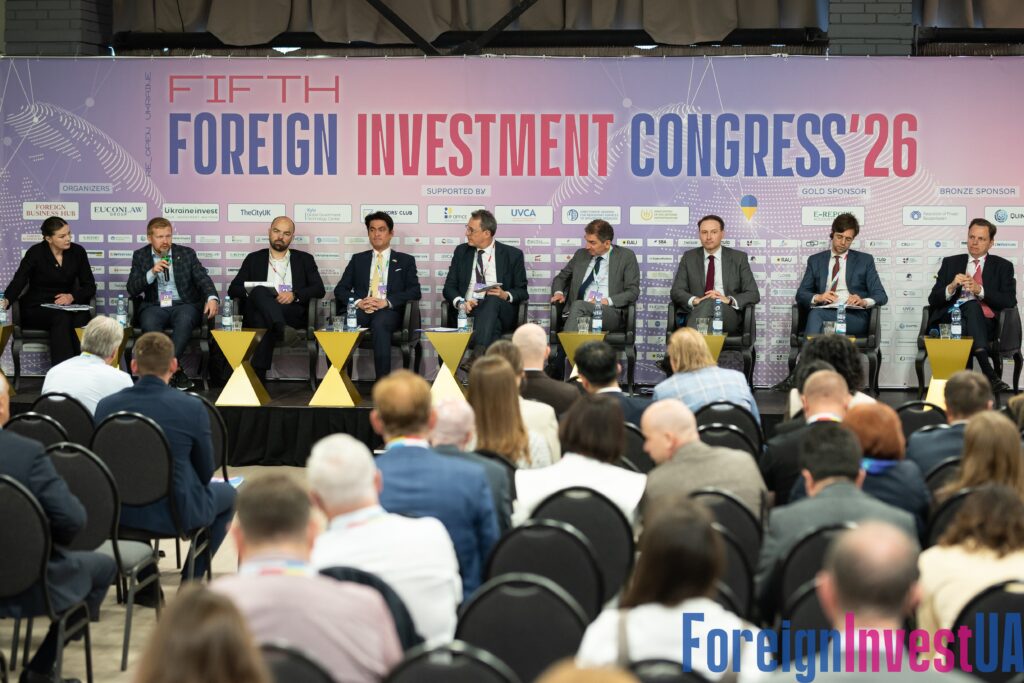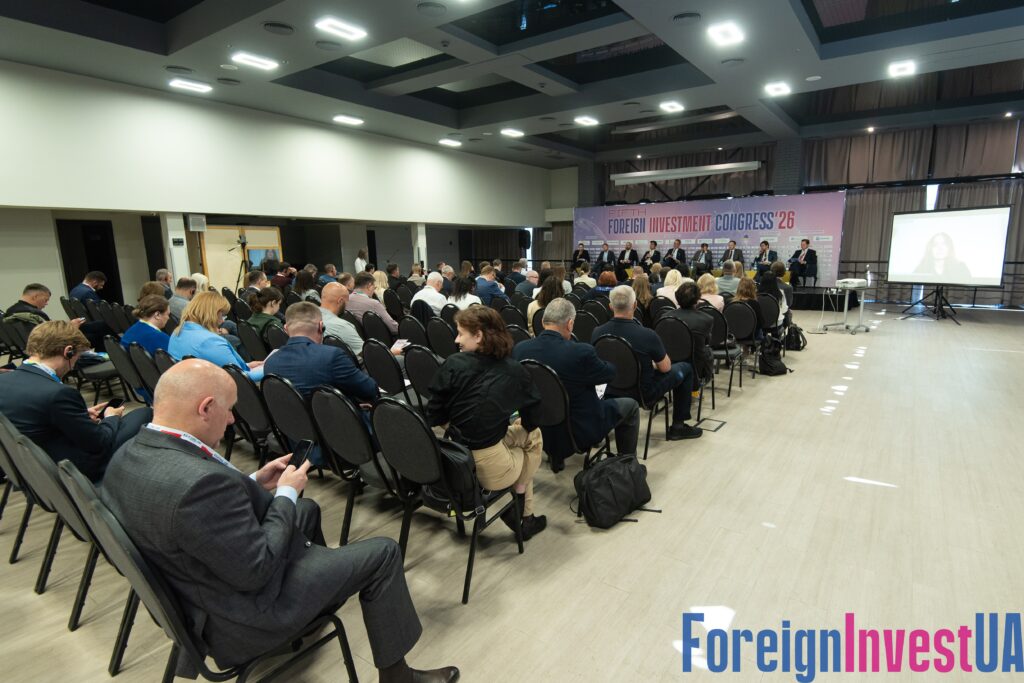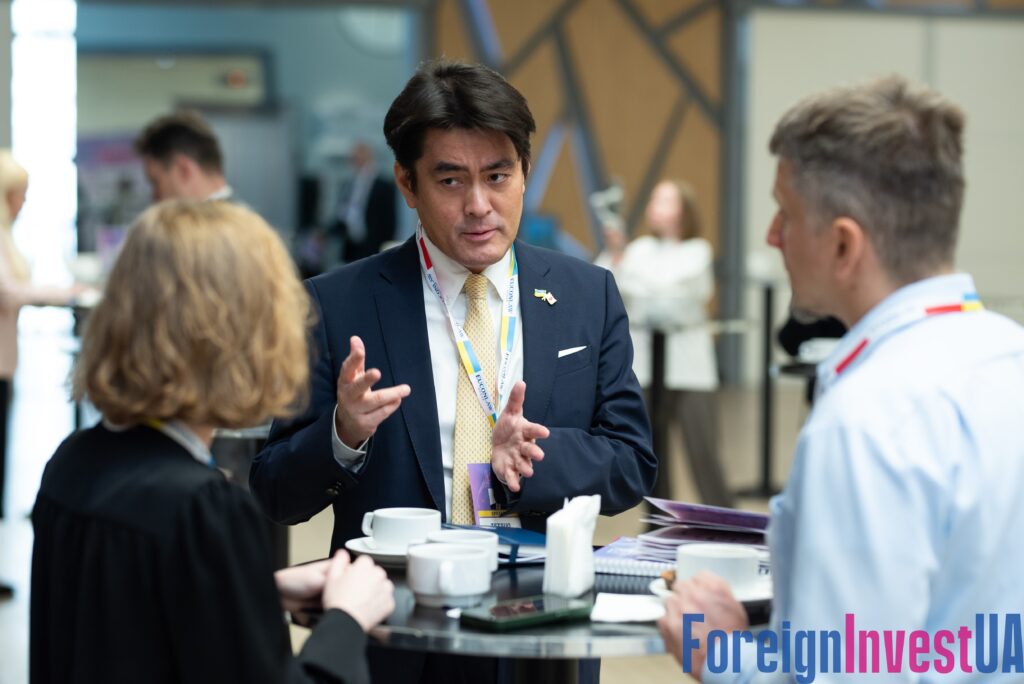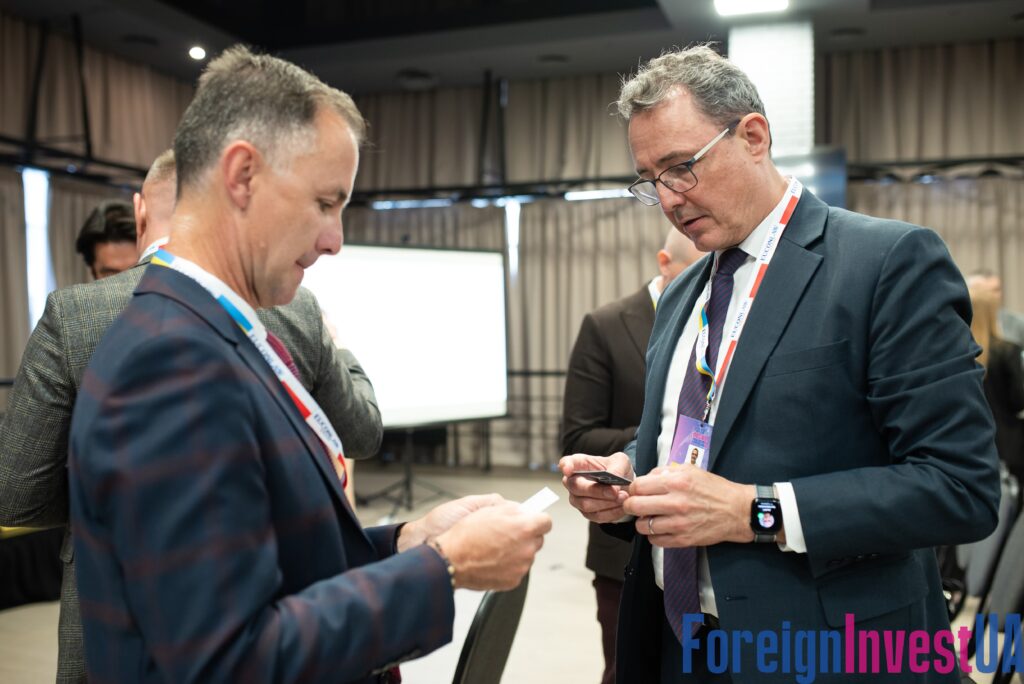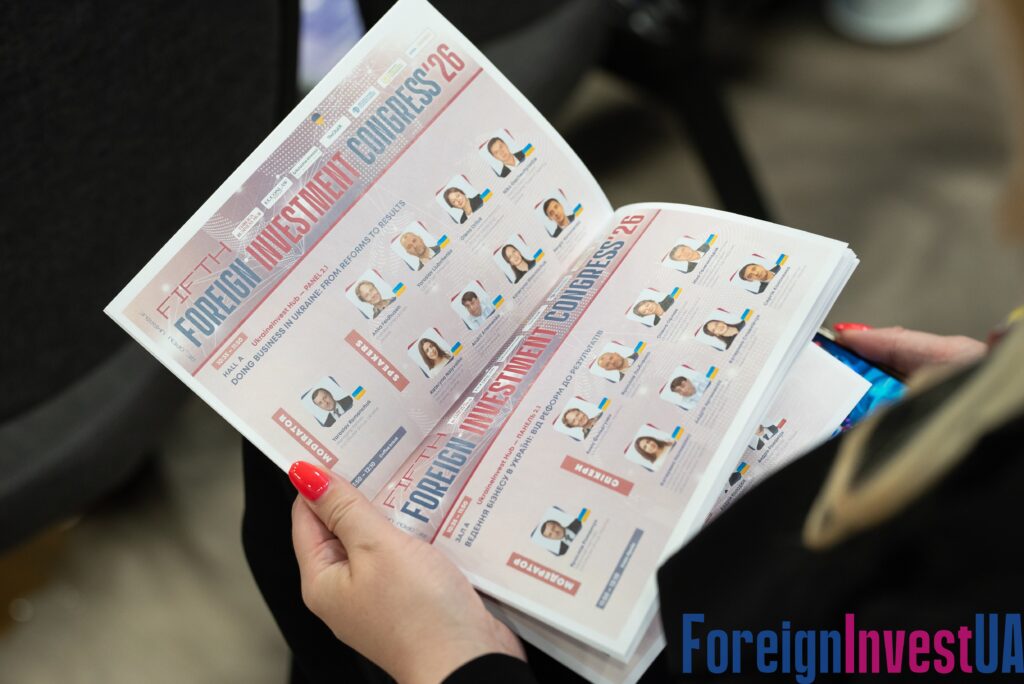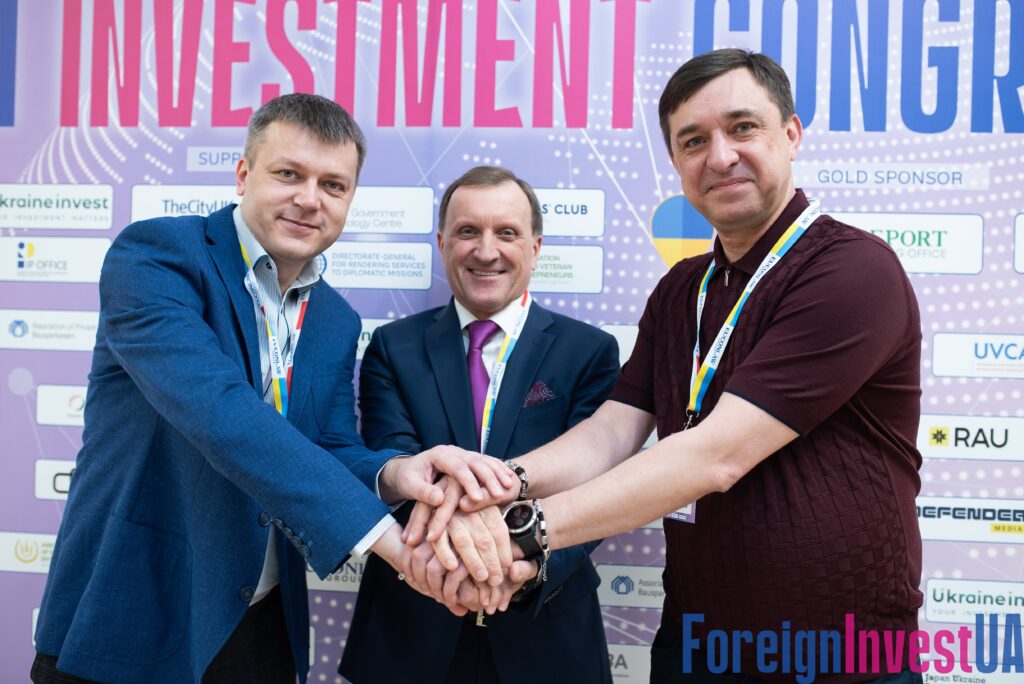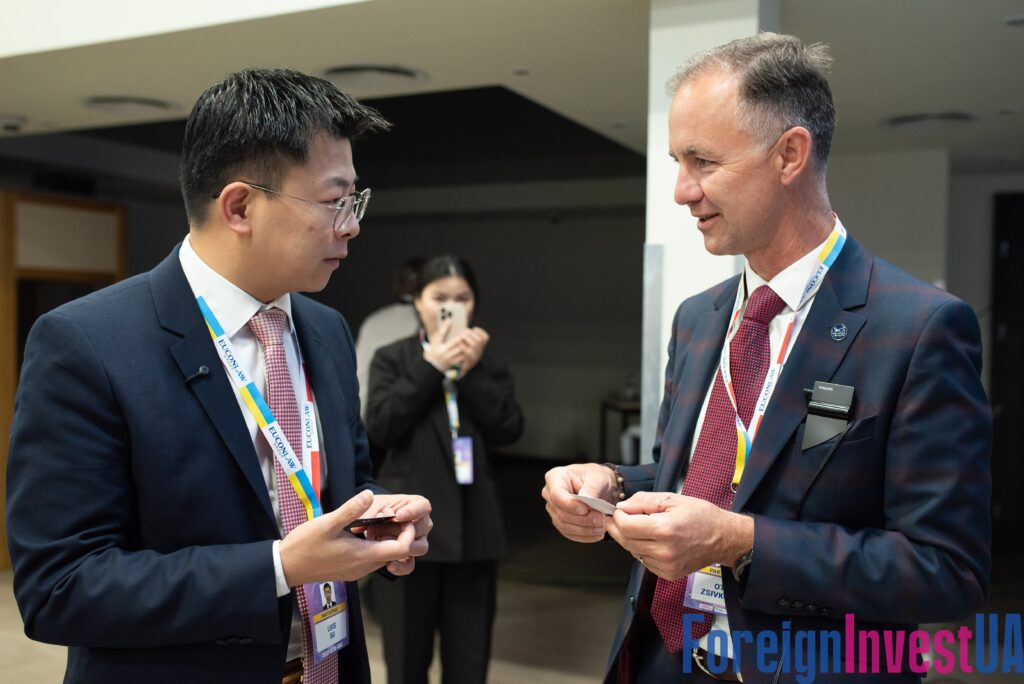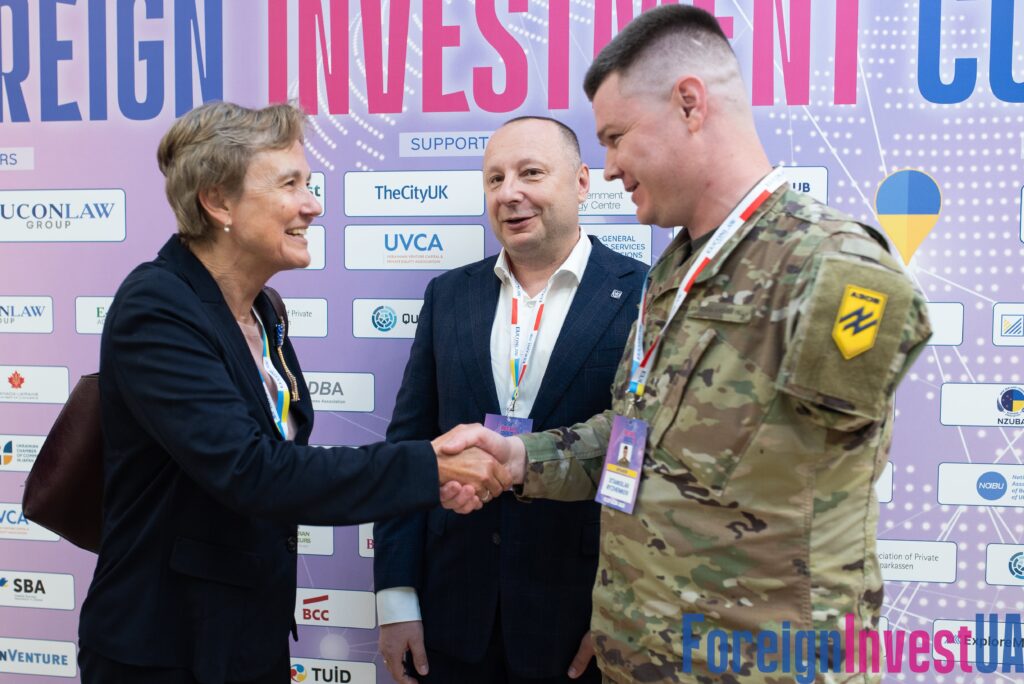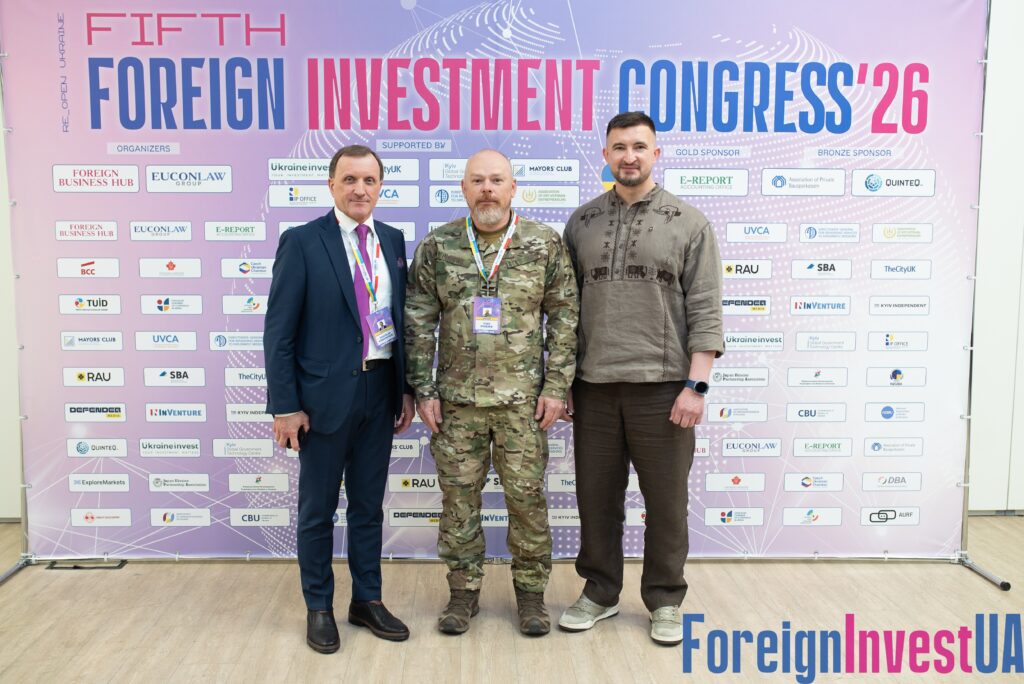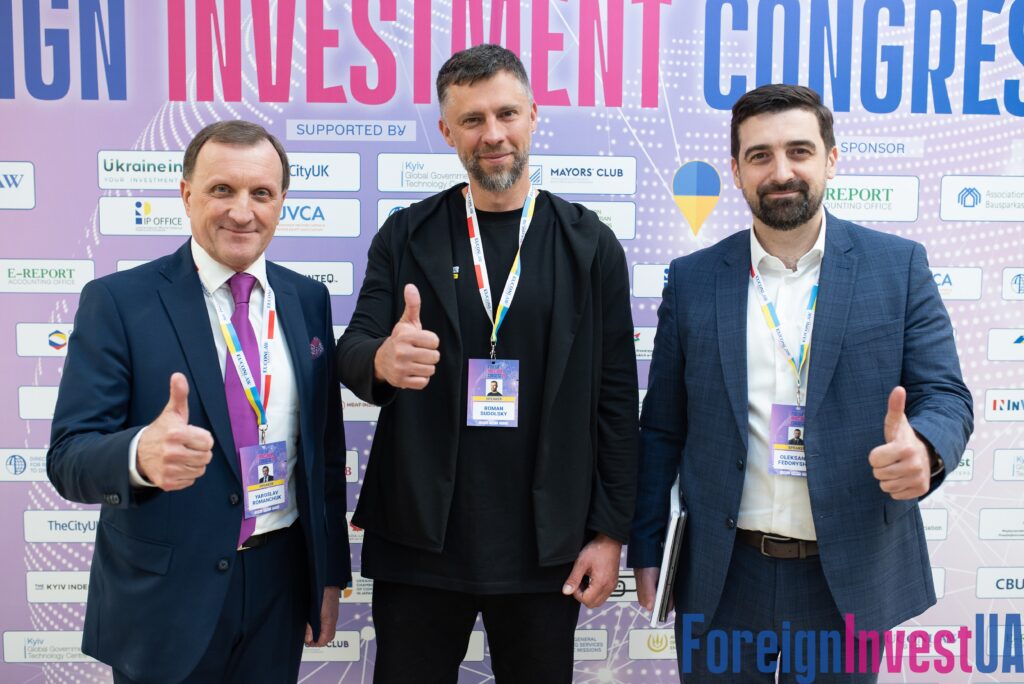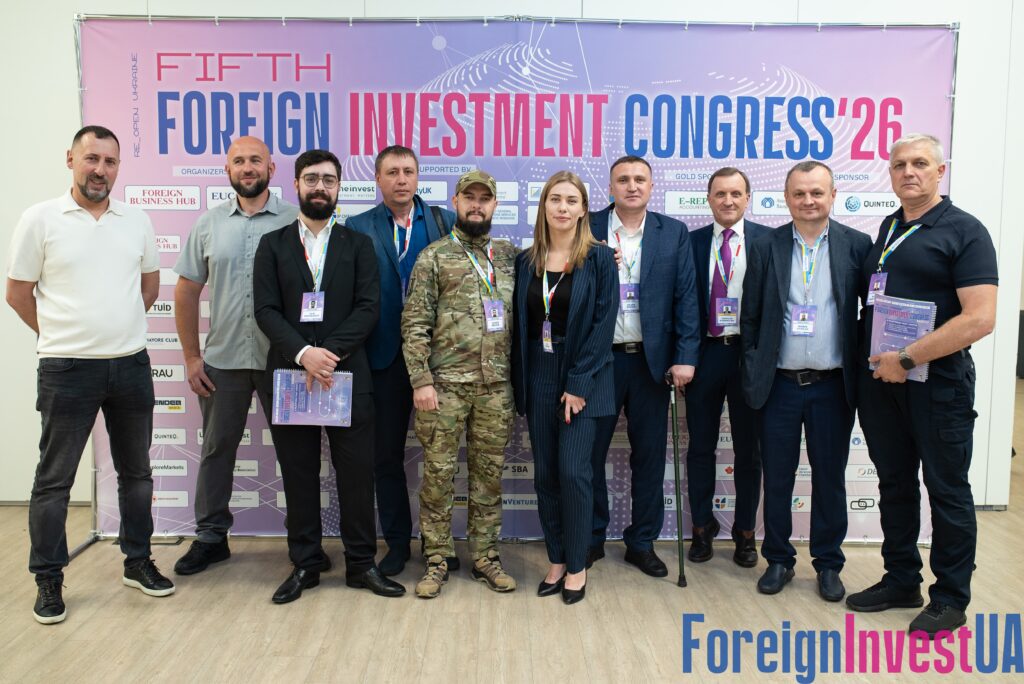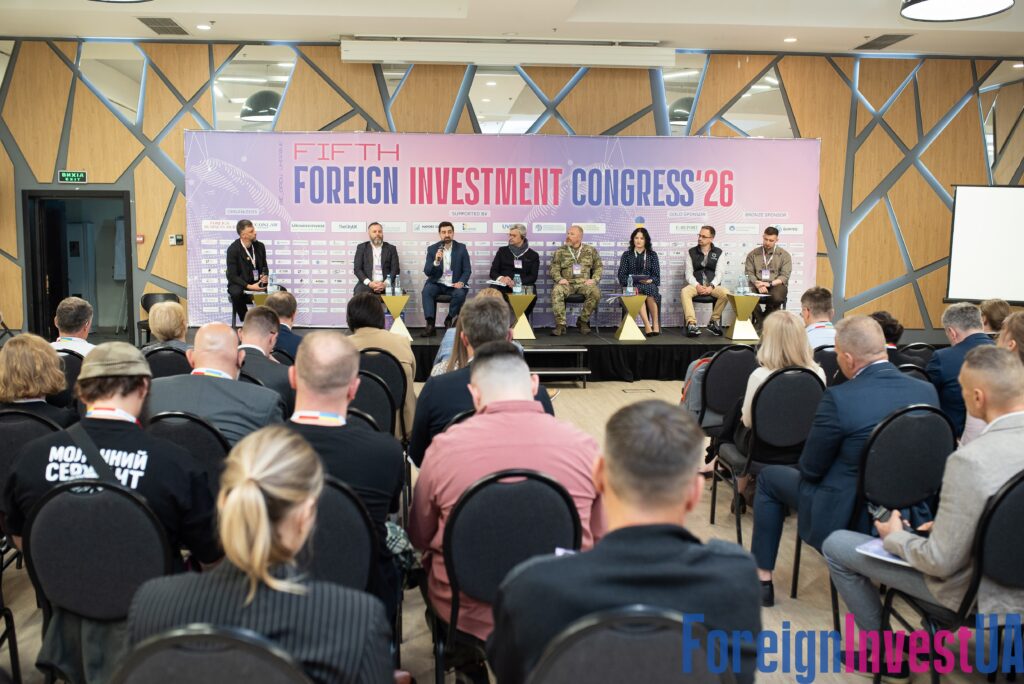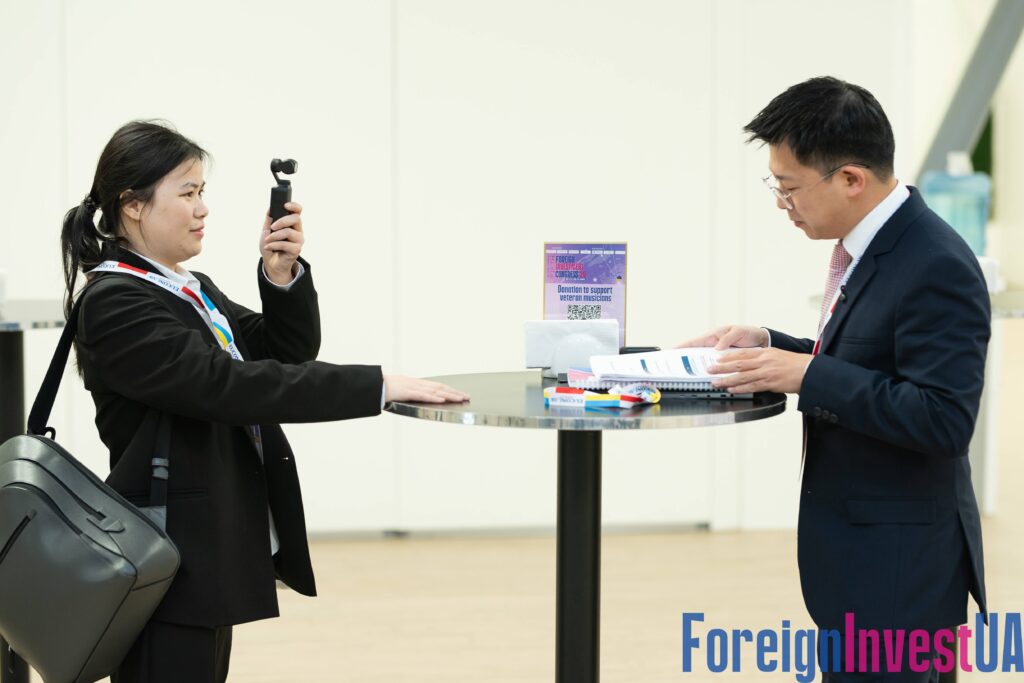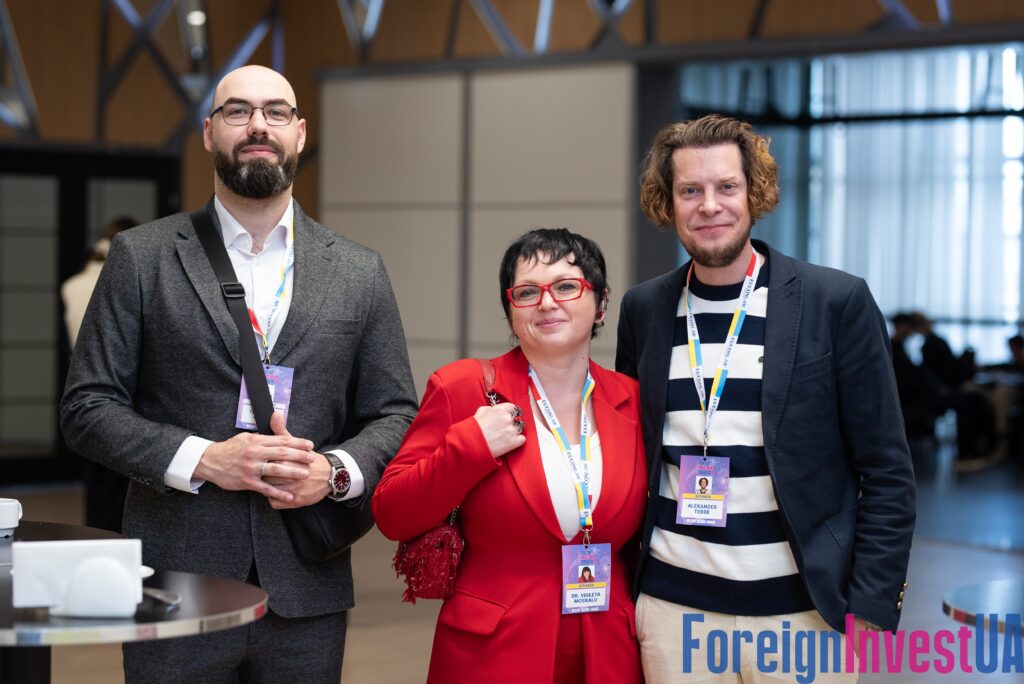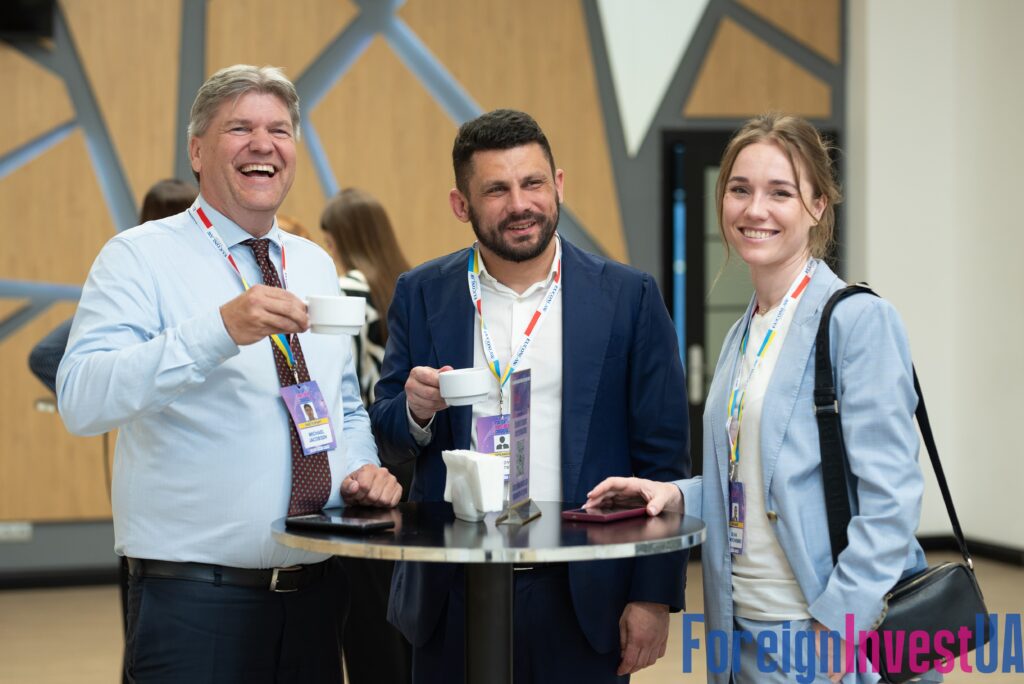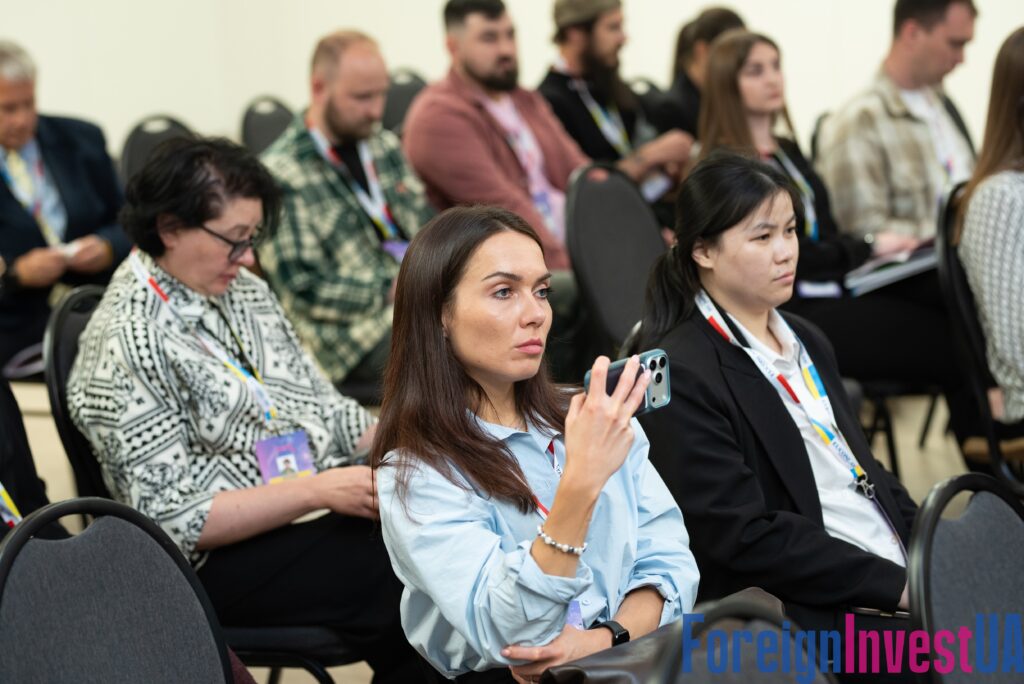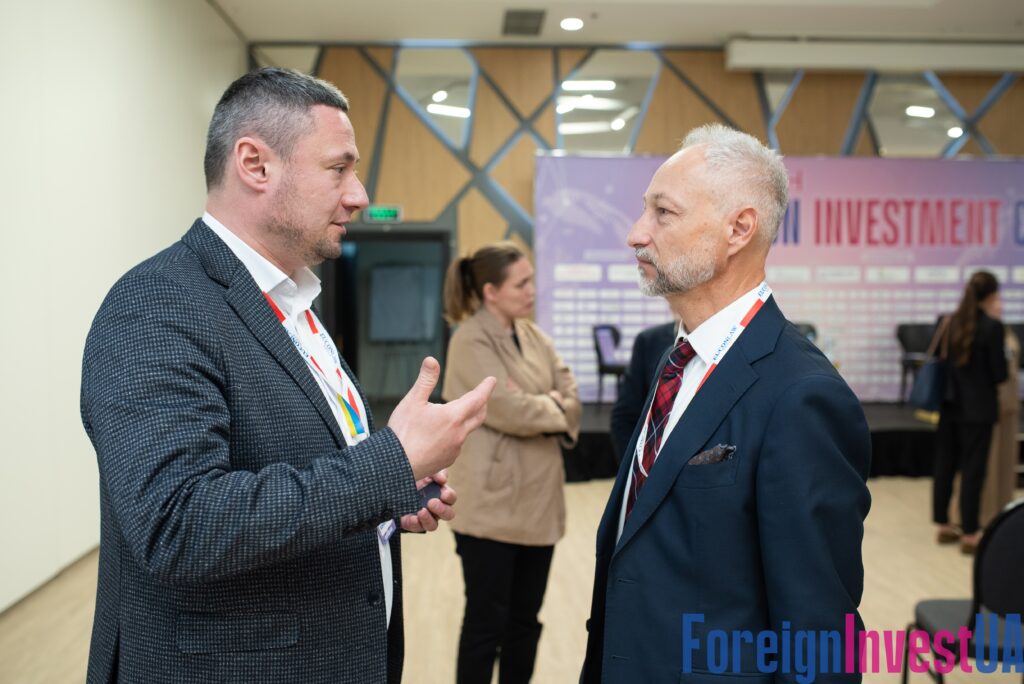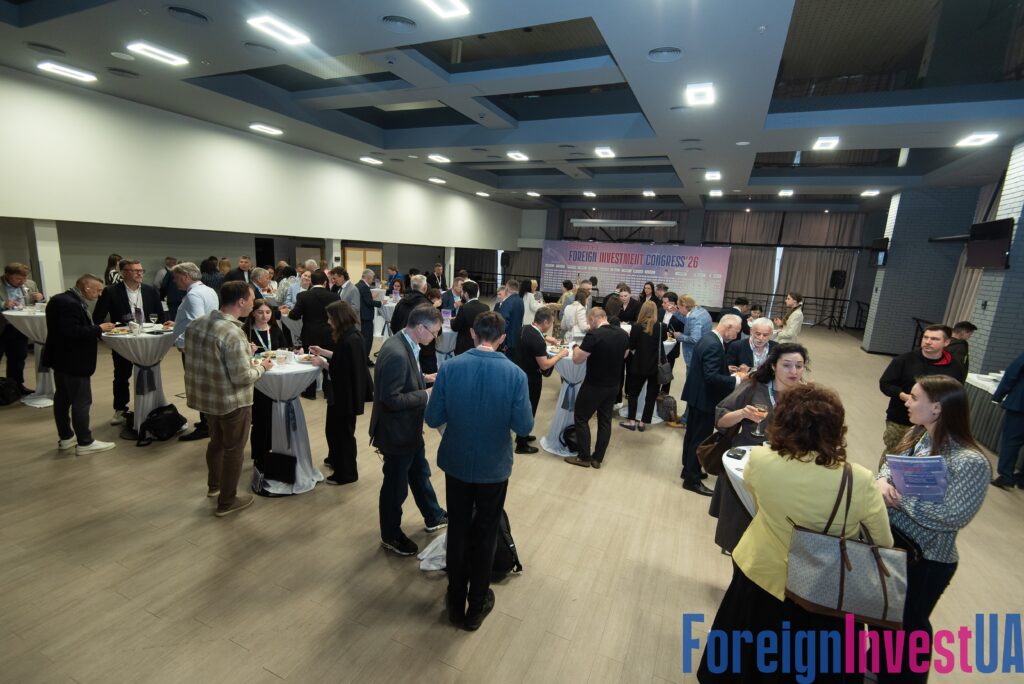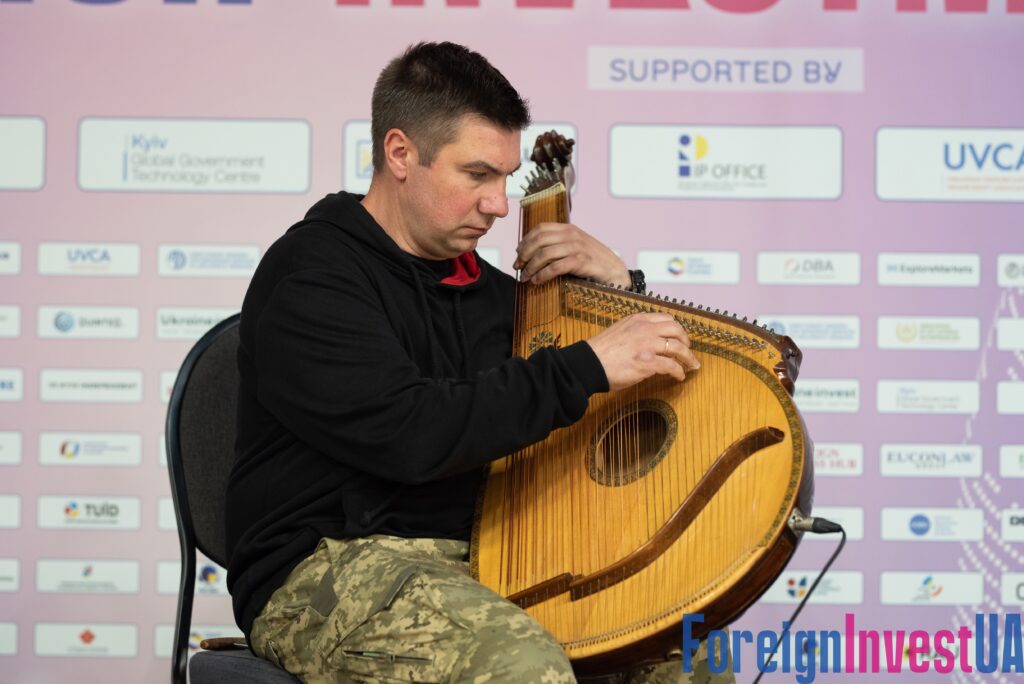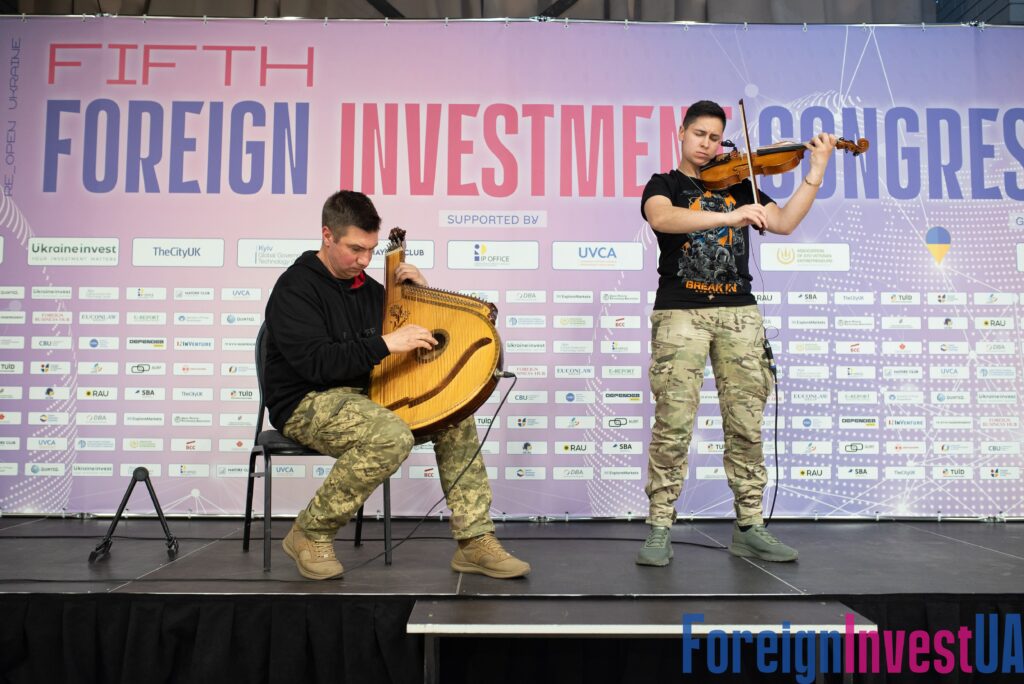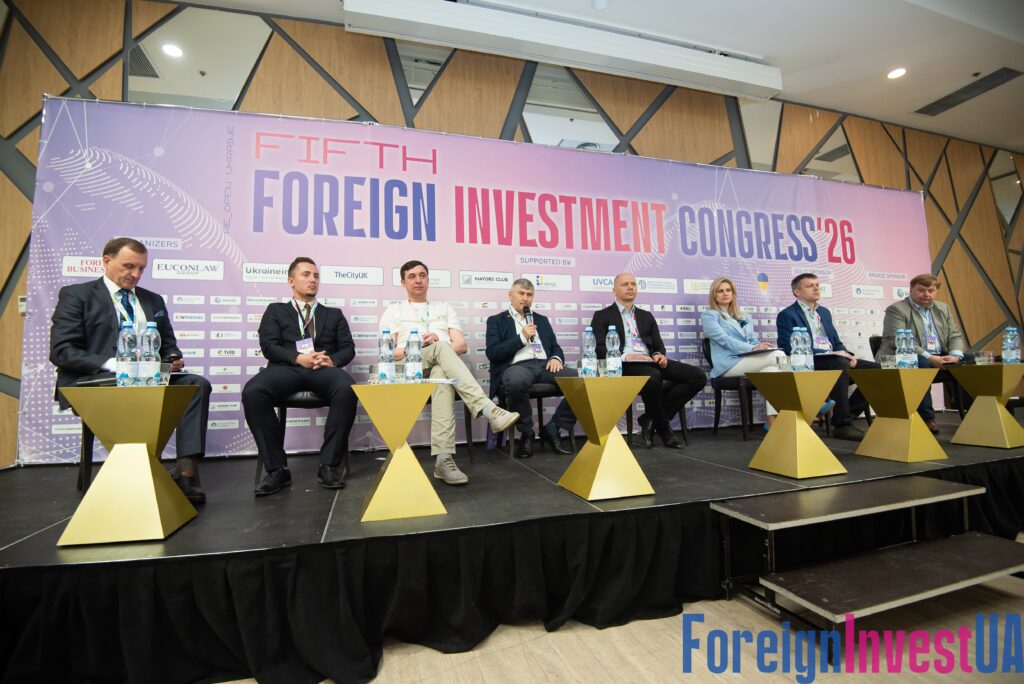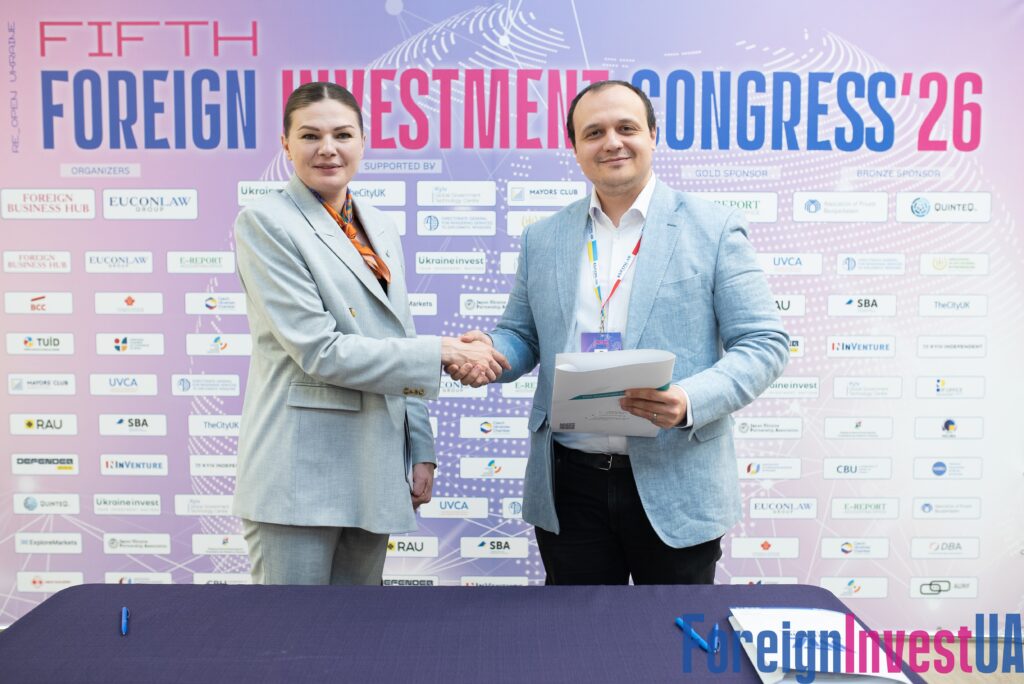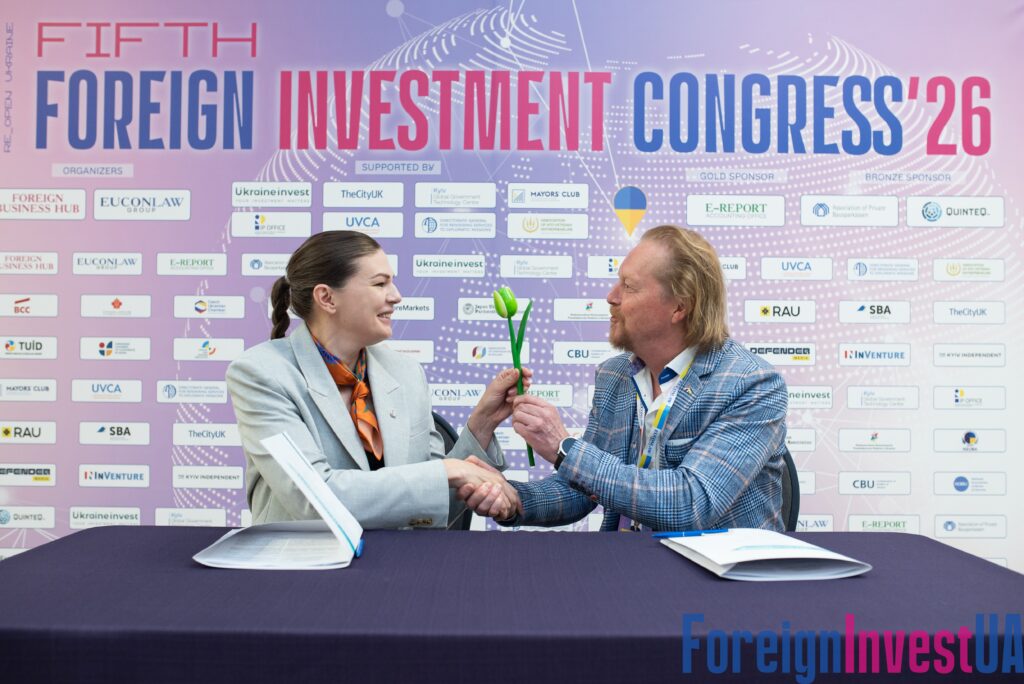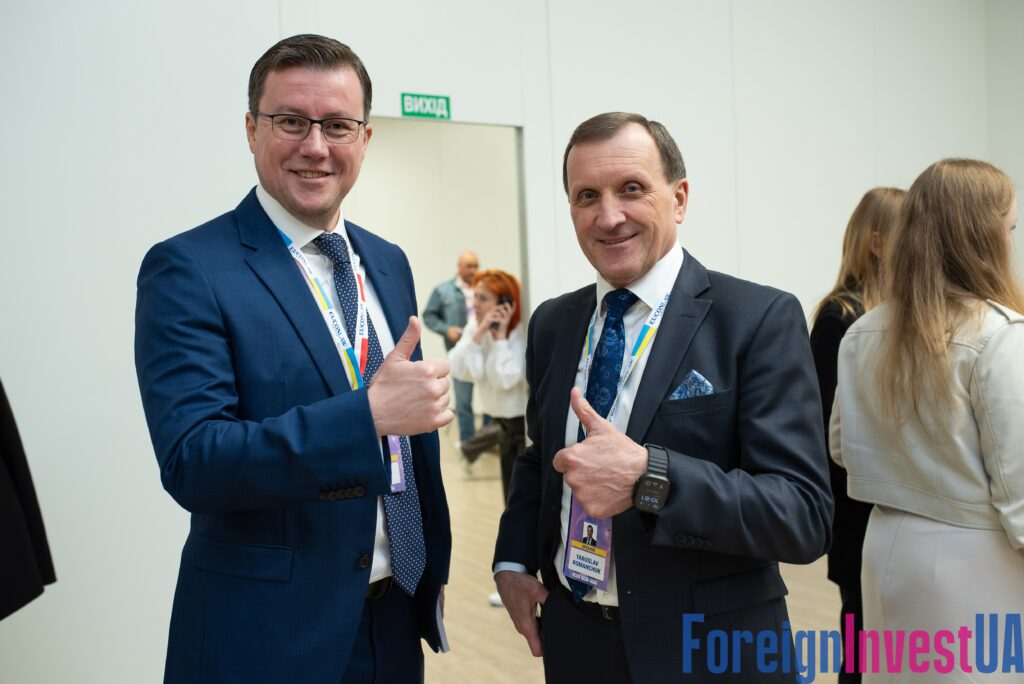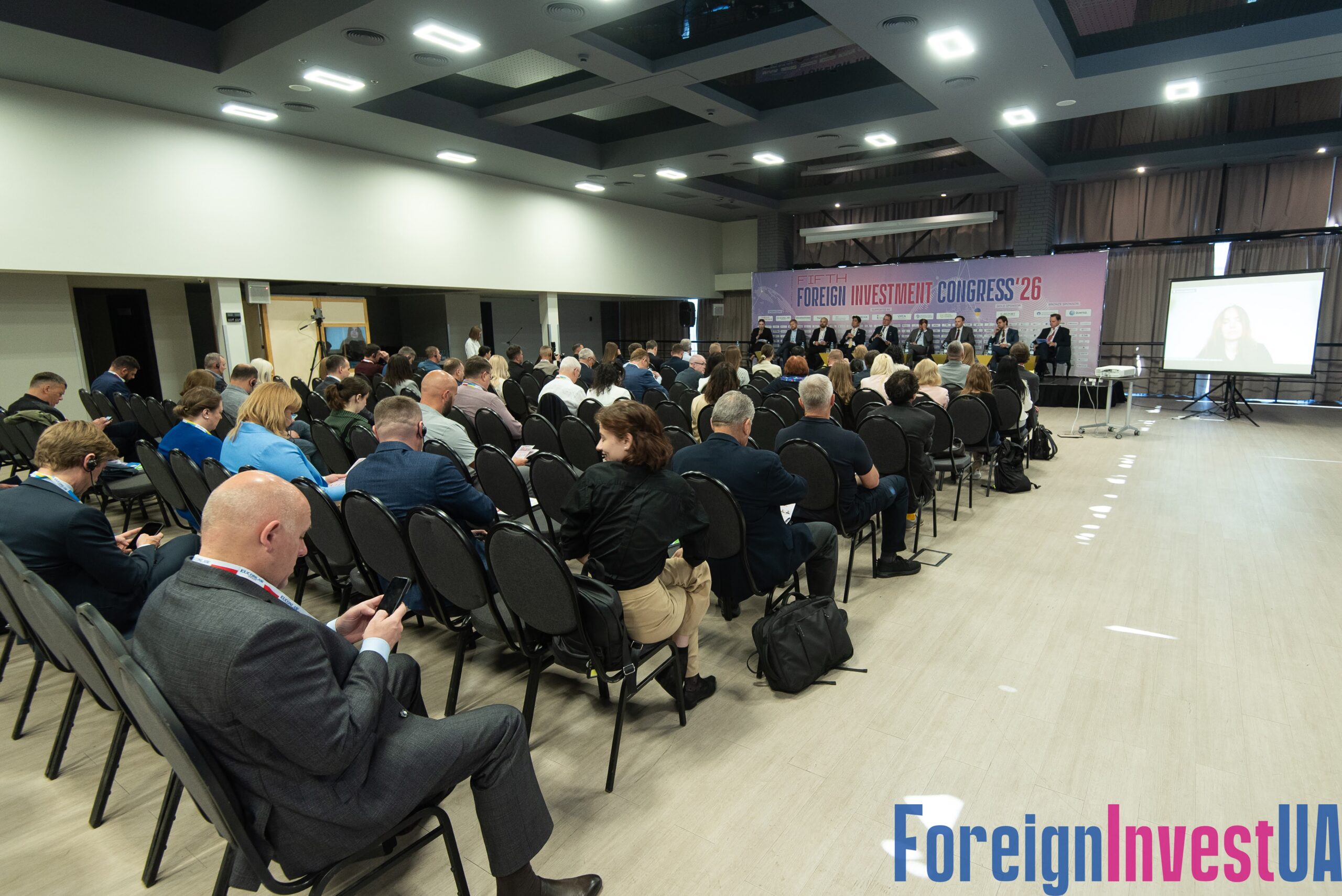
On 28–29 May 2026, Kyiv hosted the V Foreign Investment Congress, an investment platform that brought together key stakeholders to attract international and private capital for Ukraine’s recovery. The event gathered 322 participants from 36 countries and was held with the support of UkraineInvest—the national office for attracting and supporting investment.
The Congress programme featured 19 panel discussions, presentations of the investment potential of Ukrainian communities, a workshop by the Horizon Europe Office, and a practical masterclass on access to financial resources for veteran-owned businesses.
Discussions focused on Ukraine’s sustainable recovery, infrastructure development, strengthening energy security, and creating a favorable investment climate. Particular attention was paid to the prospects of agricultural processing, construction, the defense sector, and dual-use technologies, including MilTech and DefenceTech. Cybersecurity, veteran entrepreneurship, and human capital development as key drivers of economic recovery were also among the central topics.
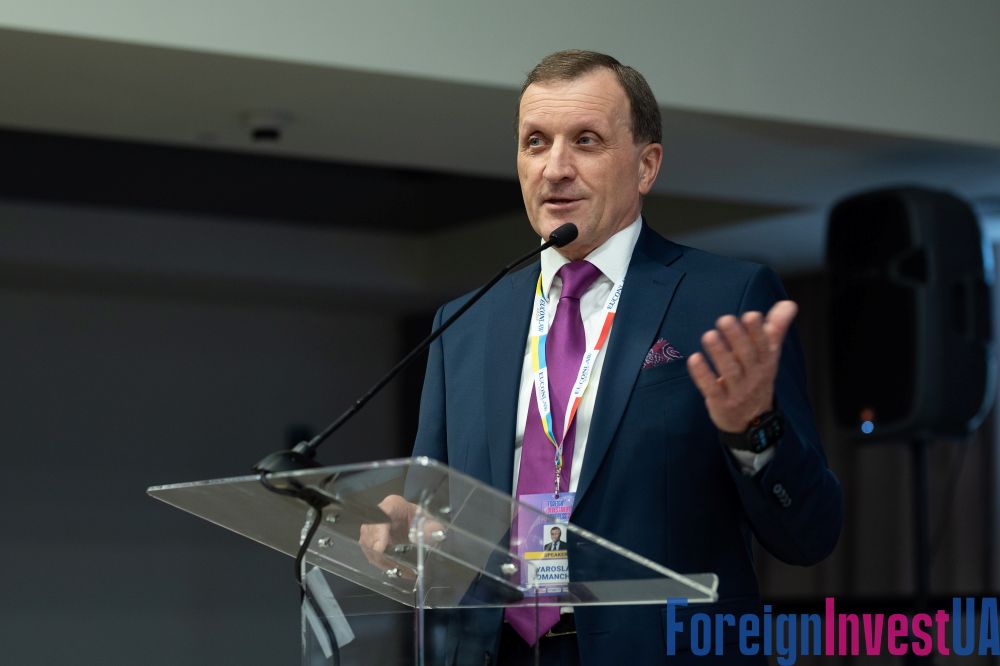
Opening the Congress, Yaroslav Romanchuk, Co-Chair of the Organizing Committee, emphasized that the event’s primary objective is to provide an effective platform for dialogue among all participants of the investment ecosystem and to promote investments that will support Ukraine’s reconstruction and long-term development.
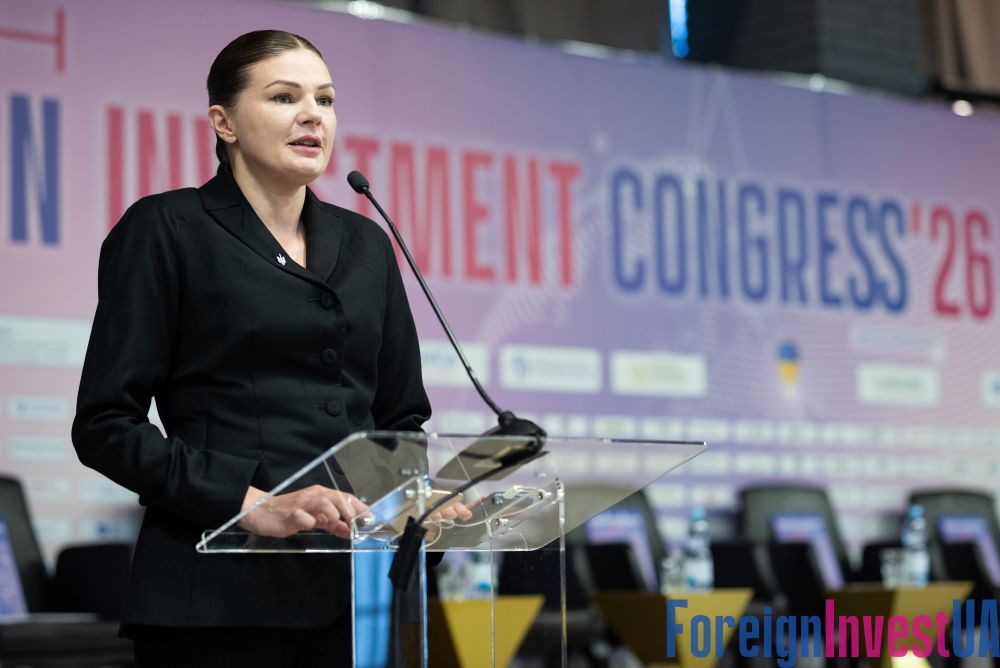
Maryna Khlystun, Executive Director of UkraineInvest, highlighted that Ukraine is gradually changing its image on the international stage — from a country associated primarily with military risks to a nation offering new investment opportunities. She noted that manufacturing, energy, defense technologies, logistics, and processing industries are currently among the most promising sectors for attracting capital. According to her, these industries will form the foundation of Ukraine’s new industrialization and its future contribution to Europe’s technological advancement.
A welcoming address was also delivered by Andrii Romanchuk, Co-Chair of the Congress Organizing Committee, who outlined the strategic importance of the Congress as a platform that combines policy dialogue with practical solutions for investors.
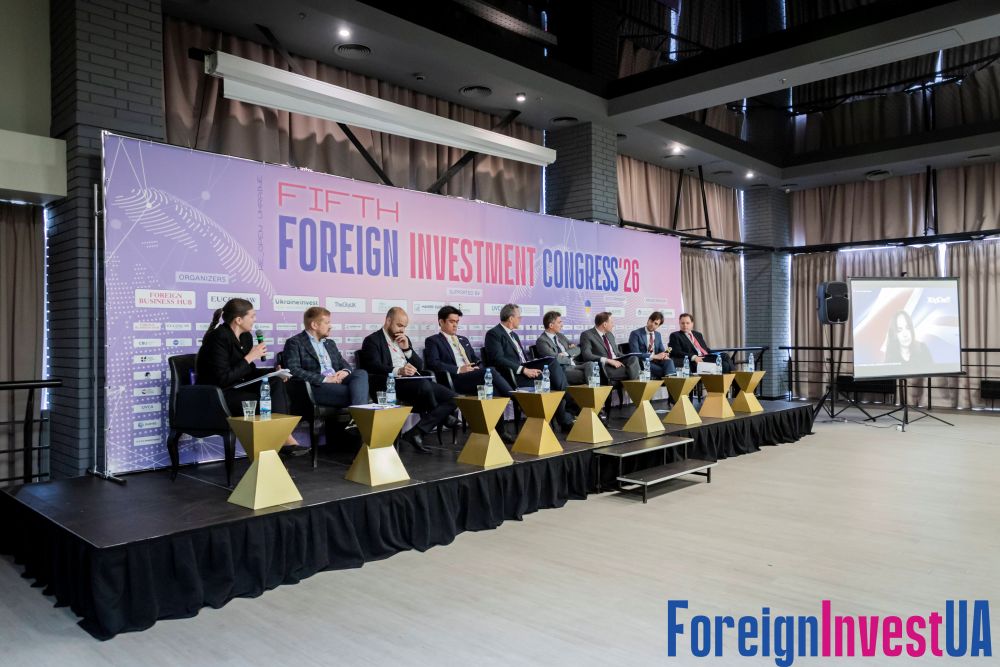
The first panel discussion, “Competitive Ukraine 2030: Investments in Sustainable and Smart Recovery,” focused on Ukraine’s economic transformation strategy and the role of international capital in the country’s recovery and development. The session was moderated by Maryna Khlystun, Executive Director of UkraineInvest.
The discussion centered on building a competitive economy of the future, developing key growth sectors, and transforming Ukraine’s investment potential into tangible projects and financing opportunities. Particular emphasis was placed on international support, Ukraine’s integration into the European economic area, and the continuation of reforms as essential prerequisites for attracting investment.
Speakers highlighted the sustained interest of international partners in Ukraine and the willingness of the private sector to continue operating and investing despite ongoing challenges. Considerable attention was devoted to capital mobilization instruments, including guarantees, war-risk insurance, and investment support mechanisms, all of which are critical for large-scale reconstruction efforts.
Panel speakers included: Andrii Teliupa, Deputy Minister of Economy of Ukraine (August 2024 – December 2025, Ukraine); Joop Nijssen, of the Netherlands to Ukraine, Head of Economic Department, (Netherlands); Dr. Maximilian Rasch, Deputy Head of Mission of the German Embassy, (Germany); Pierre Offret, Economic council, FrenchEmbassy in Ukraine, (France); Vyacheslav Ovechkin, Loan Offier, European Investment Bank, (Luxembourg); Stephan Sicars, Senior Coordinator for Ukraine, UNIDO (Austria); Tetsuo Shibata, Director General, JETRO Kyiv (Japan); Andy Hunder, President, American Chamber of Commerce in Ukraine (Ukraine); and Anna Rogers, Director of International Development, TheCityUK (United Kingdom).
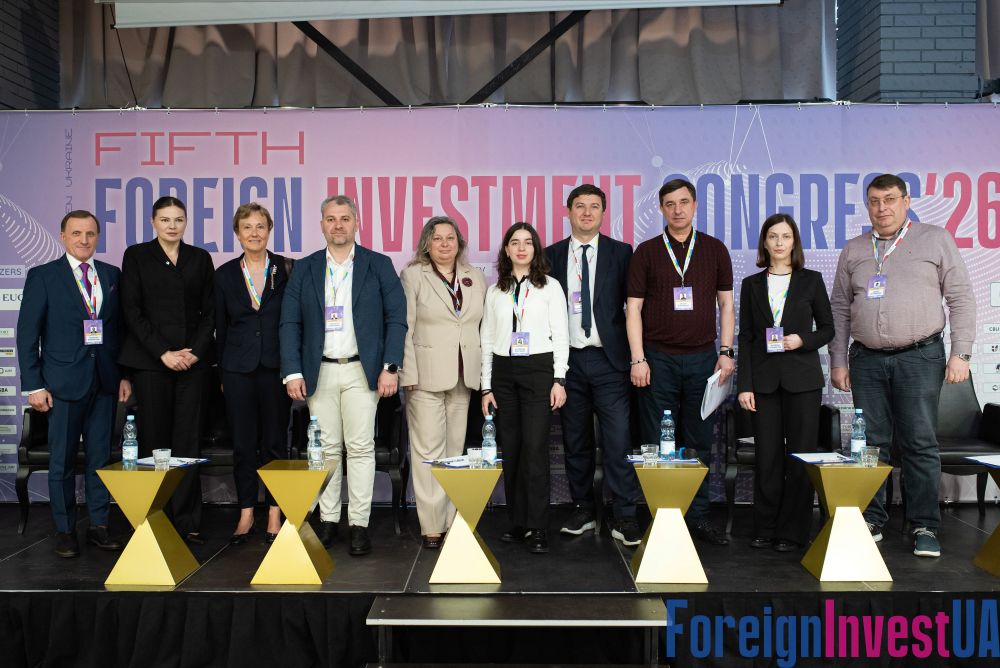
The second panel discussion focused on the business environment in Ukraine and the key reforms shaping the country’s investment landscape. The discussion addressed legislative harmonization with EU standards, public procurement and customs reform, public-private partnerships (PPPs), intellectual property protection, and the digitalization of public services. The session was moderated by Yaroslav Romanchuk, Managing Partner of EUCONLAW Group.
Among the key messages was the importance of transparent rules for investors and reducing regulatory uncertainty, which remains one of the main challenges for businesses. Speakers noted progress in major reforms and their practical impact on the business environment. In particular, public procurement reforms are introducing quality-based evaluation criteria instead of focusing solely on the lowest price, alongside integration with the EU’s TED procurement platform. In the customs sector, work continues on a new EU-aligned Customs Code and the digitalization of customs procedures. The strengthening of the public-private partnership framework was also highlighted as an important instrument for Ukraine’s recovery.
Additional discussion points included the development of regional PPP projects, a comprehensive reform of the intellectual property system, the introduction of mechanisms for commercializing defense innovations, and the expansion of the GovTech ecosystem as a foundation for the state’s digital transformation.
Panel speakers included: Anka Feldhusen, Business Ombudsman; Yaroslav Liubchenko, CEO of Prozorro; Andrii Artemenko, Director of Department, State Customs Service of Ukraine; Niko Gachechyladze, Director, Public-Private Partnership Support Agency; Olena Orliuk, Director, Ukrainian National Office for Intellectual Property and Innovations; Kateryna Nalyvaiko, Head of the IP Directorate at the Ministry of Defense of Ukraine; Serhii Kononenko, Director, Odesa Regional Development Agency; and Kateryna Stavniichuk, CEO, GovTech Alliance of Ukraine.
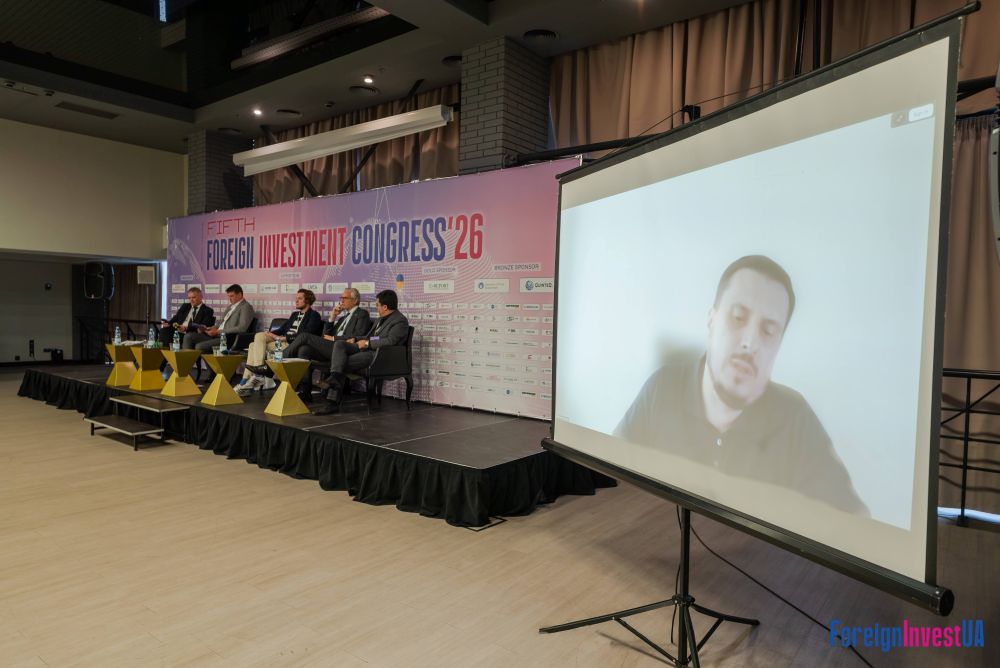
During panel discussion 3.1 “Construction and Infrastructure of Ukraine: Investment Opportunities, State Support, and Financial Mechanisms” speakers focused on the key prerequisites for launching Ukraine’s large-scale reconstruction and attracting international capital to the construction and infrastructure sectors. The session was moderated by Oleksandr Chervak, CEO of the Confederation of Builders of Ukraine.
Participants discussed the readiness of both the market and public institutions to implement major infrastructure projects during wartime and in the post-war recovery period, as well as the need to create a predictable, transparent, and investment-friendly environment. Particular attention was paid to the role of state guarantees, the development of financial instruments, the preparation of bankable projects, and the harmonization of regulations with international standards. Speakers stressed that successful reconstruction depends not only on access to capital but also on high-quality project preparation, the institutional capacity of local communities, and effective cooperation with international partners.
Panel speakers included: Yevhen Plashchenko, Director of the Department of Spatial Planning and Architecture, Ministry for Communities and Territories Development of Ukraine; Taras Lylyk, Deputy Chair of the Board for Expert Organizations, Confederation of Builders of Ukraine; Alexander Tebbe, Founder and CEO, Crowd Ukraine Invest AG (Germany); Søren Møller, Head of Office, Kyiv – Impact Fund Denmark, (Denmark); and Faruk Adiyaman, Country Director in Ukraine, Eptisa (Spain).
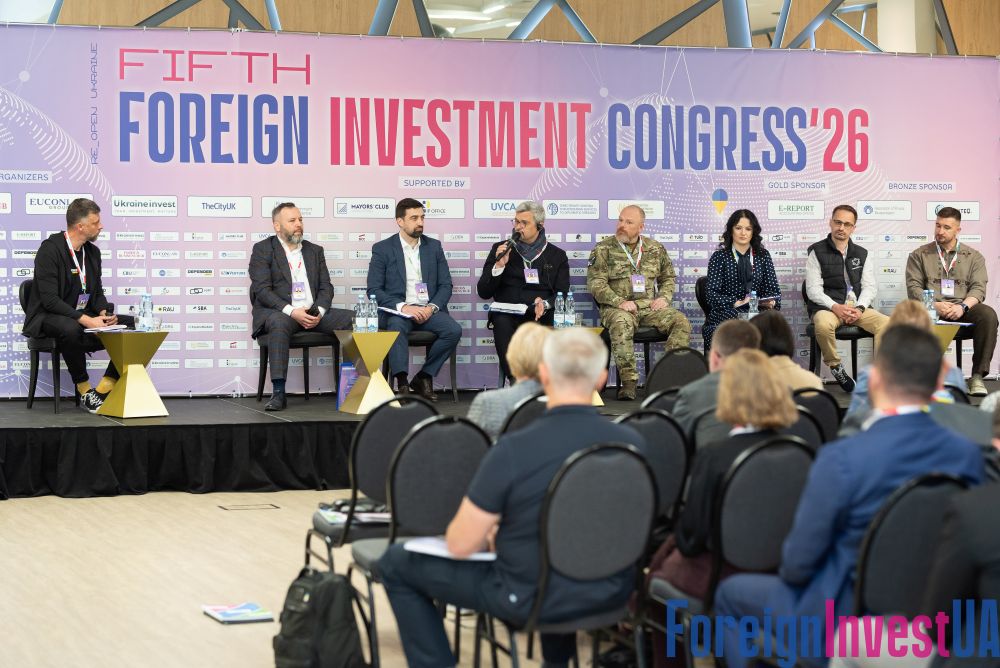
Within the framework of Panel Discussion 3.2 “Made in Ukraine, Proven in Battle: The Revolution in the Export of Defence Products and Dual-Use Technologies,” participants discussed the transformation of Ukraine’s defence exports, changes in the regulatory environment, and new approaches to international cooperation. Particular attention was paid to balancing the needs of the Defence Forces with the development of the defence industry’s export potential. The panel was moderated by Roman Sudolsky, Founding and Editor, Defender Media.
It was noted that defence exports have not stopped but have undergone a significant transformation in their structure: the share of services, maintenance, repair, and components has increased, while exports of finished products are carried out under strict state control and through interagency procedures.
At the same time, the lack of clear and predictable export regulations remains a key challenge. Despite the market’s readiness for further development, businesses still require a stable and transparent regulatory framework.
Strengthening international cooperation was identified as a promising direction, ranging from joint production to the export of technologies and integrated solutions. It was noted that Ukraine is already regarded by European partners as an important technological player, particularly in the field of unmanned systems, despite existing regulatory and financial barriers.
Participants also emphasized that technology exports can become a key driver of industry development, provided that the defence needs of the state remain the priority and that critical technologies remain subject to appropriate controls. The importance of proper legal and compliance preparation for companies was also highlighted, particularly in the areas of intellectual property protection and compliance with European market requirements.
Panel speakers: Oleh Tsilvik, PhD, Acting Head, State Service of Export Control of Ukraine; Ihor Fedirko, Executive Director of the Ukrainian Council of Gunsmiths; Tomas Urbonas, Policy Officer, EU Defence Innovation Office at the Delegation of the European Union to Ukraine (Belgium); Oleksandr Fedoryshyn, CEO, SE SpetsTechnoExport (Ukraine); Oleh Fedoryshyn, Director of Research and Development, DevDroid (Ukraine); Yurii Feniks, Deputy Commander for the Development of Unmanned Systems, Lasar’s Group (Ukraine); Inha Livandovska, Junior Partner, EUCONLAW Group (Poland).
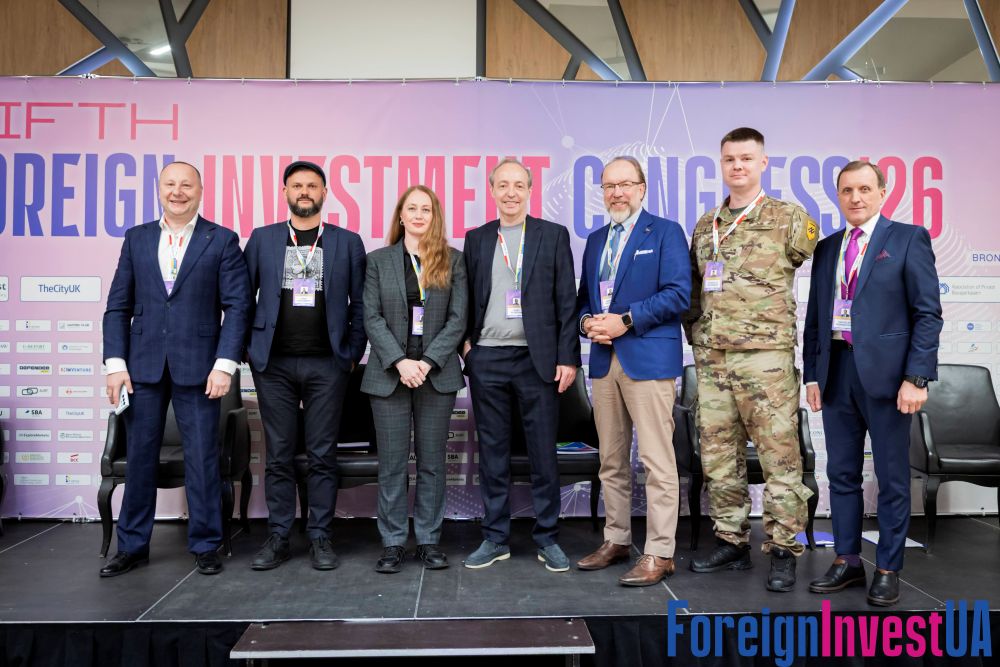
Within the framework of Panel 3.3 “The Ecosystem of Victory: How Government, Communities, and International Partners are Creating a Veteran-Friendly Ukraine for Entrepreneurs,” participants discussed the key conditions for the development of veteran entrepreneurship in Ukraine and its role in shaping the country’s new economic model. The panel was moderated by Serhii Pozniak, President of the Association of Veteran Entrepreneurs of Ukraine.
Participants emphasized the need to move beyond purely social support and towards creating a system of economic opportunities for veterans, including access to financing, markets, contracts, training, and mentoring programmes.
Particular attention was paid to the development of the legislative framework. Participants noted that the existing regulations require practical implementation through secondary legislation, government programmes, and financial instruments that will ensure the effective execution of the policy.
Financial inclusion of veterans was identified as an important priority, requiring a comprehensive approach—from engagement with service members before their return to civilian life to their integration into the financial system as entrepreneurs and consumers of financial services.
The role of local communities in the reintegration of veterans was also highlighted. Among the key priorities are reducing bureaucratic barriers and establishing effective communication mechanisms to raise awareness of available support opportunities.
Participants further stressed that the critical factor in the development of veteran-owned businesses is not only access to grants or loans, but above all securing the first contract, which enables a business to move towards sustainable growth.
Panel speakers: Igor Luzhanskyy, Director of the Strategy and Development Department, National Bank of Ukraine; Anatolii Ostapenko, Member of Parliament of Ukraine, Chair of the Subcommittee on Social Protection of Veterans’ Rights; Nina Rohovets, First Deputy Executive Director, Ukrainian Veterans Fund; Yurii Ostapiuk, Chairman of the Board, CEO Club Ukraine; Hennadii Chyzhykov, President, Ukrainian Chamber of Commerce and Industry; Stanislav Ryzhenkov, Kyiv City Council Commissioner for the Rights of War Veterans.
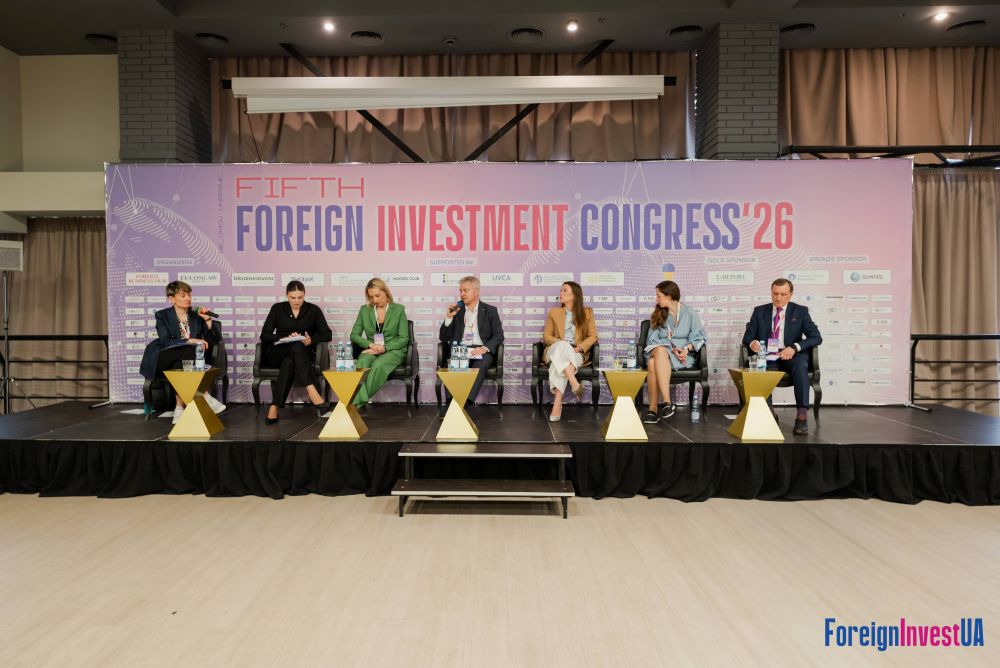
Within the framework of Panel 4.1 “How to Invest in Ukraine: A Practical Roadmap for Business and Investors,” participants discussed the key conditions for entering the Ukrainian market, risk mitigation instruments, and practical mechanisms for implementing investment projects. The panel was moderated by Kateryna Polyakova, Senior Investment Expert, Recovery and Reform Support Team at the Ministry of Economy of Ukraine.
The discussion focused on creating a clear and predictable investment pathway for businesses, enabling them to operate effectively in a high-risk environment while taking advantage of the opportunities offered by a transforming market.
Participants highlighted the importance of a transparent regulatory environment, the development of institutional support mechanisms, and consistency in the rules governing investment activities. Particular emphasis was placed on the role of international financial institutions, insurance mechanisms, and partnership structures in mitigating risks and facilitating market entry.
Speakers concluded that, despite the challenging conditions, Ukraine is viewed as a market of significant opportunities for international investors, particularly in the context of reconstruction and economic transformation.
Panel speakers: Maryna Khlystun, Executive Director, UkraineInvest; Kateryna Chechel, Operations Officer, International Finance Corporation (USA); Oleksii Parkhomchuk, Investment Director, Impact Fund Denmark (Denmark); Kristina Padalka, Member of the Management Board, Export Credit Agency (Ukraine); Victoriia Kulykova, Head of Committees Department, European Business Association, Manager of the Ukraine Recovery Committee (Ukraine); Yaroslav Romanchuk, Managing Partner, EUCONLAW Group (Ukraine).
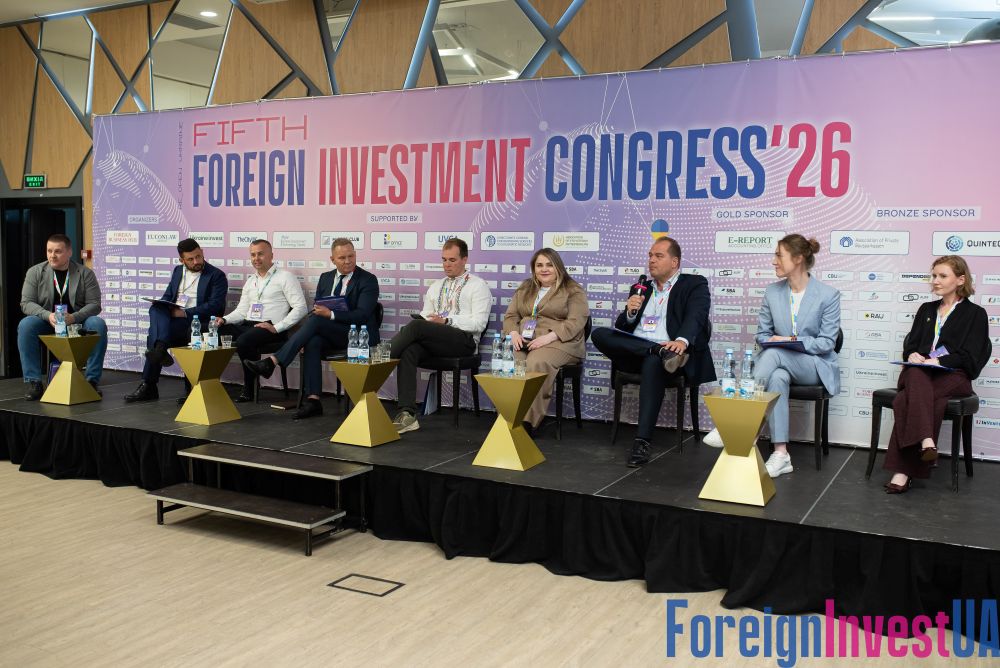
Within the framework of Panel 4.2 “The Investment Potential of Ukraine’s Defence and Security Ecosystem: MilTech / DefenceTech / Security,” participants discussed the prospects for the development of Ukraine’s defence sector, investment opportunities within the industry, financing mechanisms, and the expansion of Ukrainian companies into international markets. The panel was moderated by Dmytro Kuzmenko, CEO of the Ukrainian Venture Capital and Private Equity Association (Ukraine).
Speakers noted that Ukraine has become one of the most dynamic centres for defence technology development, driven by rapid R&D cycles, close cooperation between manufacturers and the military, and the continuous adaptation of solutions to frontline needs. Key technological trends identified during the discussion included artificial intelligence, autonomous systems, unmanned technologies, and ensuring interoperability among different defence platforms.
It was noted that Ukraine’s defence-tech sector remains attractive to investors due to its unique combat experience and strong innovation potential.
The discussion also covered financing instruments available to the industry, ranging from grants and concessional loans to venture capital and “smart money” investments that combine financial resources with expertise, international partnerships, and access to new markets.
Particular emphasis was placed on the development of dual-use technologies that can be applied in both military and civilian sectors, ensuring the long-term commercial viability of innovations.
Participants stressed that the further development of the industry requires improved financing mechanisms, transparent and digitalised export control procedures, and the active integration of Ukrainian companies into international defence programmes, joint ventures, and global supply chains.
Panel speakers: Volodymyr Stetsyk, Acting Head of the Defence Industry Investment Promotion Office, Ministry of Defence of Ukraine; Andrii Moisieienko, Member of the Management Board, JSC Ukreximbank (Ukraine); Tonni Martin Nissen, CEO, DUK Development ApS (Denmark); Volodymyr Zinovskyi, CEO, TAF Industries (Ukraine); Kateryna Chernohorenko, Deputy Minister of Defence for Digital Transformation (2023–2025), Ministry of Defence of Ukraine; Benjamin Kramer, Managing Partner, Verne Capital Advisory (Germany); Olha Sytnychenko, Chief Operating Officer, Axendra (Ukraine); Kateryna Yavorska, President and Co-Founder, Ukrainian Chamber of Commerce in Japan (Japan).
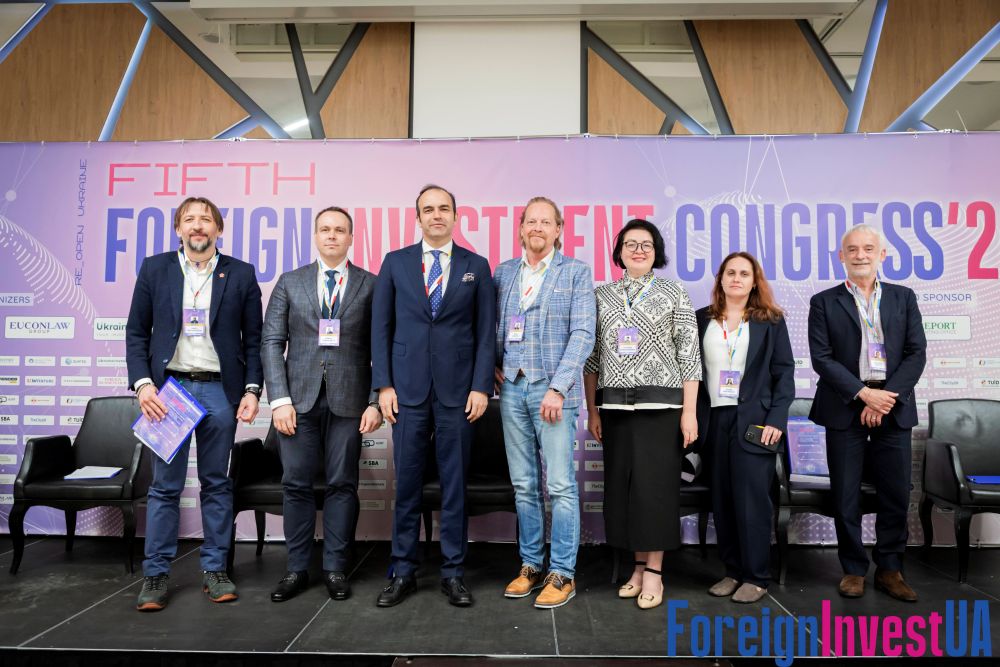
Within the framework of Panel 4.3 “From Crisis to Opportunity: The Transformation of Ukraine’s Energy Sector, Energy Security and Investment Potential,” participants discussed the recovery of Ukraine’s energy sector during wartime, investment attraction, the development of renewable energy sources, and new technological solutions aimed at strengthening the country’s energy resilience. The panel was moderated by Yuriy Kryvosheya, Vice President of the Canada-Ukraine Chamber of Commerce (Ukraine).
The key message of the discussion was that the reconstruction of the energy sector should become not only a process of restoring damaged infrastructure, but also an opportunity to create a modern, decentralised, and competitive energy system. Speakers emphasised that private capital should serve as the main driver of this transformation, while the government and international financial institutions should create favourable conditions for investors and help mitigate risks.
Particular attention was devoted to the development of renewable energy and energy storage systems. Despite the challenges of wartime, Ukraine continues to demonstrate growth in investments in solar and wind power generation, as well as energy storage solutions. The decentralisation of the energy system was highlighted as one of the key instruments for enhancing security and resilience against attacks.
Participants also stressed the importance of implementing energy-efficiency solutions across all sectors of the economy and developing financing mechanisms to support such projects. Promising areas identified included infrastructure modernisation, microgrids, energy storage systems, and innovative power generation technologies.
The discussion also highlighted the potential for cooperation between Ukraine and international partners, particularly Japan, which is prepared to share advanced technologies and expertise in energy security. Participants emphasised that the combination of international expertise, innovation, and private investment can provide the foundation for a new energy model for Ukraine.
Summarising the discussion, speakers noted that international investors continue to view Ukraine as a promising market. However, predictable business rules, transparency, high-quality corporate governance, and effective risk insurance mechanisms remain critical for attracting new investment.
Panel speakers: Serhii Porovskyi, Special Adviser to the Head of the State Agency on Energy Efficiency and Energy Saving of Ukraine; Burak Pehlivan, Member of the Board, Inventerra Energy (Türkiye); Jacques Lafitte, Co-Founder, Infinitix (France); Paul Vosbeek, Founder and CEO, QuinteQ Energy (Netherlands); Olena Smyrnova, Director and Head of the Ukraine Office, Swedfund International (Sweden); Tetiana Honcharenko, Consultant, CastGlobal Group, International Investment Projects (Japan).
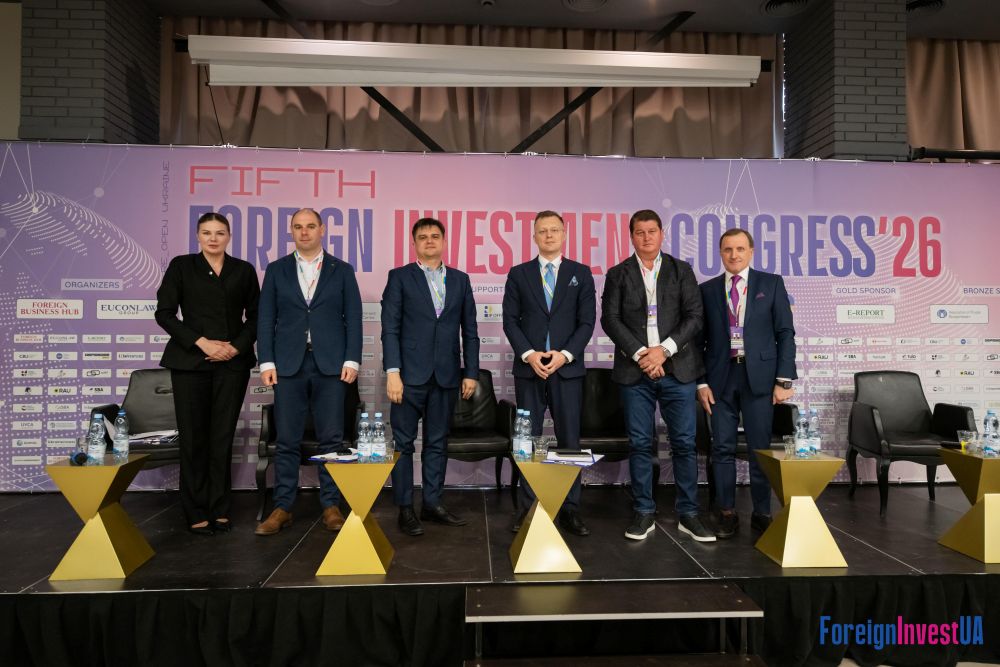
Within the framework of Panel 5.1, speakers discussed the development of a comprehensive investment ecosystem in Ukraine and practical tools for investor entry into the Ukrainian market. The discussion focused on how the government is creating a clear “investment navigation” system—from an investor’s first contact with a project through to its implementation and scaling. The panel was moderated by Maryna Khlystun, Executive Director of UkraineInvest.
Participants noted that Ukraine’s investment ecosystem consists of numerous interconnected instruments, including government programmes, industrial parks, privatisation opportunities, public-private partnerships, grants and loans, as well as international support mechanisms.
Particular attention was paid to the “Made in Ukraine” policy as a key instrument for the development of industry and the processing sector. It was emphasised that its practical implementation is based on a range of mechanisms, including localisation requirements in public procurement, compensation programmes for Ukrainian machinery and equipment, grant support for manufacturers, as well as incentives for the development of industrial parks and the implementation of investment projects.
The discussion also highlighted the importance of simplifying regulatory procedures, particularly in the area of land use, which significantly reduces the time required to launch new production facilities.
Industrial parks were identified as one of the most practical instruments for the rapid launch of manufacturing projects, providing investors with ready-made infrastructure, access to land plots and production facilities, utility connections, tax incentives, and support services from management companies, which effectively act as investment facilitators.
Participants also reviewed available business financing instruments, including state-backed lending programmes, grants for production modernisation, portfolio guarantee mechanisms, and access to international donor funding. It was noted that banks are gradually becoming key providers of government investment support programmes.
The development of public-private partnerships was also discussed as a mechanism for implementing complex infrastructure and socially significant projects. Speakers highlighted a new approach to PPP project preparation, ranging from community-level project initiation to structured feasibility assessments and competitive tendering processes. The role of privatisation was also emphasised as a tool for revitalising brownfield assets with existing infrastructure and reduced investor entry timelines.
Panel speakers: Dmytro Kysylevskyi, Deputy Chair of the Verkhovna Rada Committee on Economic Development; Andrii Hapon, Chairman of the Management Board, National Development Institution; Niko Gachechyladze, Director, Public-Private Partnership Support Agency; Vladyslav Danylyshyn, Director of the Privatisation Department, State Property Fund of Ukraine; Rostyslav Korobka, Vice-President, Ukrainian Chamber of Commerce and Industry.
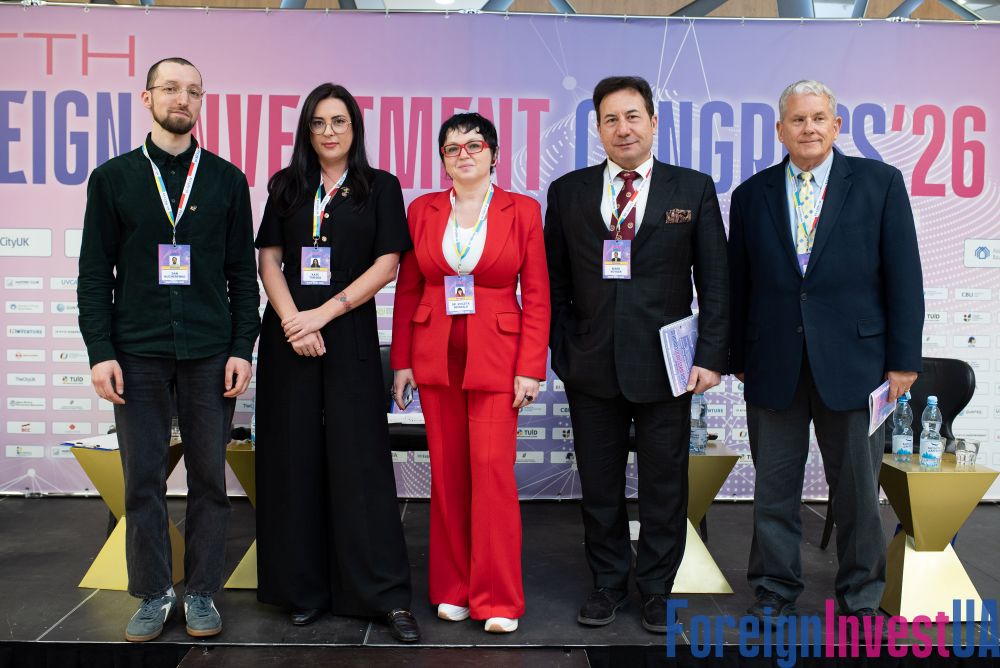
The focus of Panel 5.2 was on how to secure large-scale financing for defence technologies in an environment where innovation is advancing significantly faster than financial and regulatory mechanisms. The panel was moderated by Kate Turska, Founder of Mahi for Ukraine and Vice President of the New Zealand–Ukraine Business Association (New Zealand).
During the discussion, participants explored the transformation of financing models for Ukraine’s defence sector – from traditional international assistance to attracting private and venture capital, as well as the development of hybrid investment instruments.
It was noted that Ukraine has become one of the world’s most dynamic centres of defence innovation, where technological solutions complete the full development cycle—from battlefield deployment to scaling—within exceptionally short timeframes.
At the same time, the key challenge is not a lack of capital, but barriers related to its structuring and access to the sector, including legal and contractual uncertainty, export restrictions, intellectual property issues, and the absence of unified investment standards.
Speakers emphasised the gradual transition from a grant-based model towards market-driven financing mechanisms, including venture and private capital, public-private partnerships, and joint international projects.
Particular attention was paid to the need for developing a legal and institutional framework that would provide predictability for investors, contract protection, effective risk management mechanisms, and opportunities for scaling defence companies.
In conclusion, participants agreed that the long-term development of Ukraine’s defence sector depends on a combination of private capital, international institutions, and new financial models capable of keeping pace with the dynamics of the wartime economy and innovation cycle.
Panel speakers: Dan Kucherenko, International Partnerships Manager, Serhii Prytula Charity Foundation (Ukraine); Violeta Moscalu, Founder and CEO, Global Ukraine (France); Mark Voyger, Advisor, Raincloud Group (USA); Alan Reagan, Chief Information Officer and Partner, UAID Fund LP (USA); Andriy Kolodyuk, Chairman of the Supervisory Board, Ukrainian Venture Capital and Private Equity Association (Ukraine); Andrii Romanchuk, Senior Partner, EUCONLAW Group (Poland).
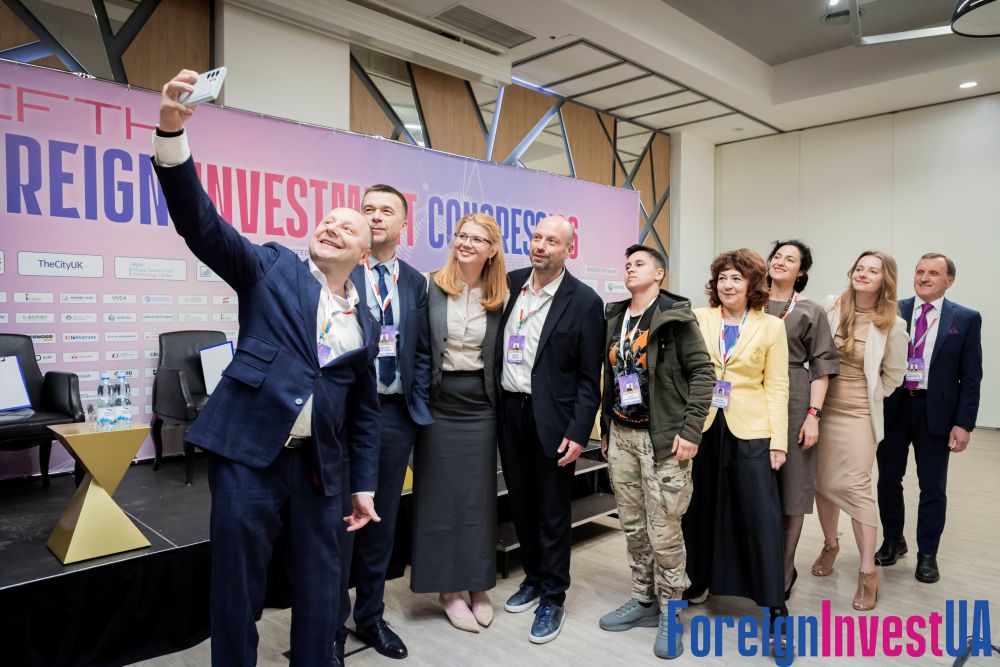
Within the framework of Panel 5.3 “Human Capital: The Market of Veteran Talent Through Employment and Entrepreneurship,” participants addressed one of the key challenges facing Ukraine’s labour market—the integration of veterans into the civilian economy as carriers of unique human capital shaped by wartime experience. The panel was moderated by Viktor Berlin, President of the League of Insurance Organizations of Ukraine.
Participants noted that veterans’ experience often remains insufficiently understood by employers. Military roles and acquired competencies—including leadership, decision-making under pressure, resilience, and adaptability—are not always effectively translated into the language of business, creating a gap between labour market demand and the actual potential of veterans.
It was emphasised that employment barriers are shaped by both internal and external factors. Internal factors include professional self-identification, underestimation or overestimation of one’s own experience, and the need for reskilling. External factors include insufficient preparedness among employers and HR professionals, a lack of systematic feedback mechanisms, and limited awareness of available support programmes.
Particular attention was drawn to the fact that more than 70% of veterans require reskilling, highlighting the need for flexible, practice-oriented learning formats, including internship programmes and employer-based training centres with pathways to future employment.
Among the practical solutions discussed were the development of platforms that “translate” military experience into civilian competencies and initiatives that directly connect veterans with employers.
In conclusion, participants agreed that effective veteran integration requires a systemic approach that combines labour market development, access to reskilling opportunities, and strong partnerships among business, government, and civil society.
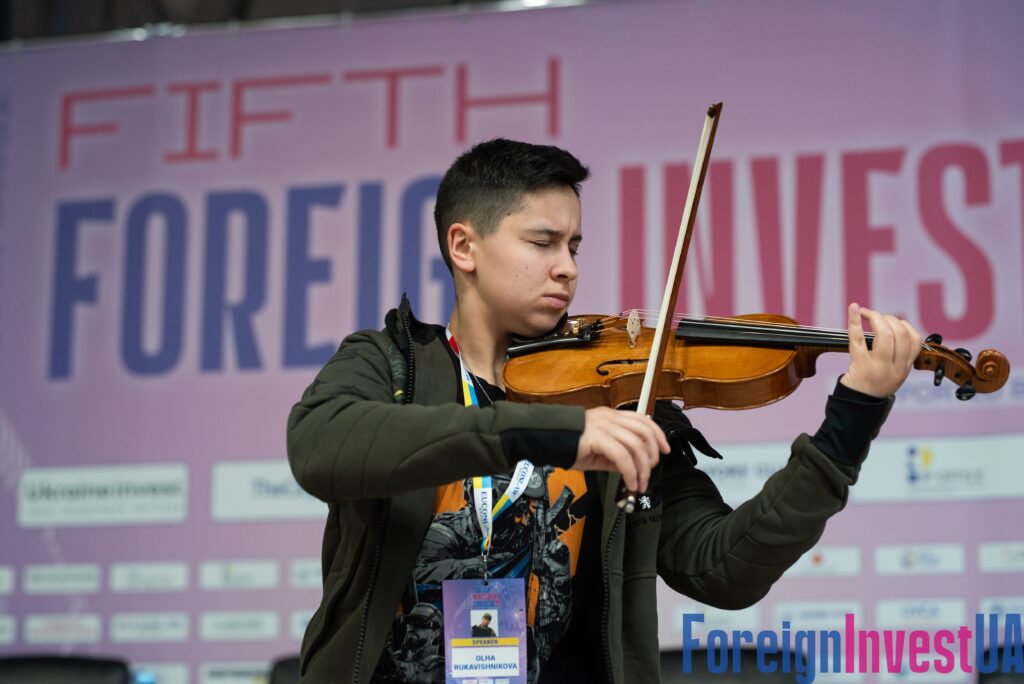
Panel speakers: Anastasiia Rozlutska, Head of the Nazustrich Project, Work.ua (Ukraine); Serhii Pozniak, President of the Association of Veteran Entrepreneurs of Ukraine; Dmytro Hrytsuta, Chairman of the Management Board, Kniazha Vienna Insurance Group (Ukraine); Halyna Soloviova, PhD, Professor at O.O. Bohomolets National Medical University, President of the Academy of Internal Medicine (Ukraine); Viktoriia Kalyniuk, Head of Veteran and Family Reintegration Projects, Superhumans (Ukraine); Olha Rukavishnikova, Veteran and Grenadier, Armed Forces of Ukraine; Olena Bidovanets, Head of the NGO “The Space of Your Growth” (Ukraine).
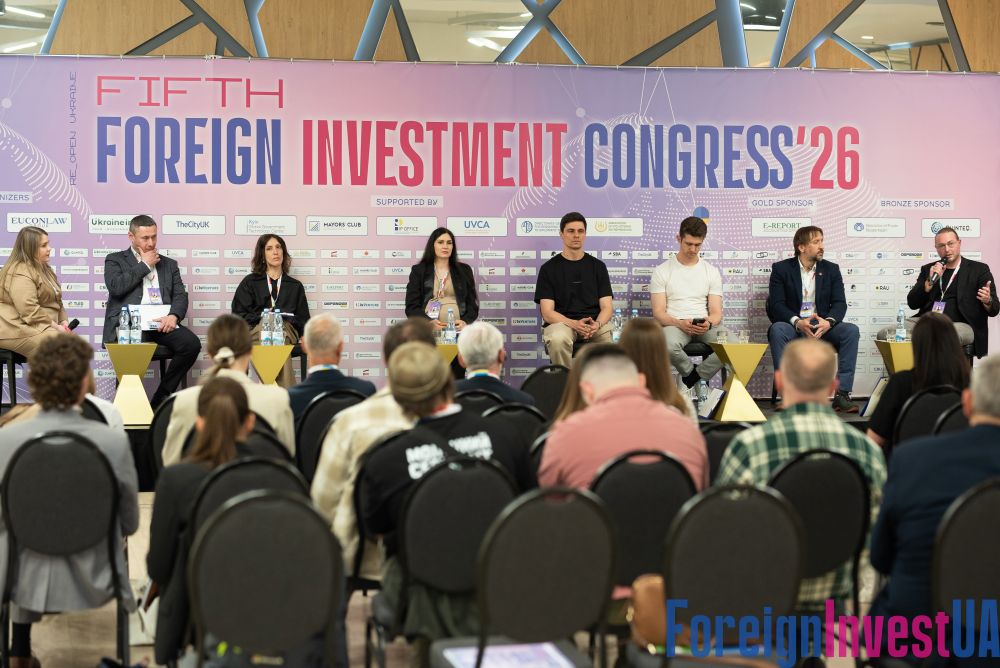
Within the framework of Panel 6.1 “Future Technologies and Investment: Artificial Intelligence, Cybersecurity and Space,” participants discussed the key technological areas that will determine the competitiveness of governments and businesses in the coming years, as well as the conditions necessary for attracting investment into high-tech projects. The panel was moderated by Kateryna Chernohorenko, Deputy Minister of Defence for Digital Transformation (2023–2025), Ministry of Defence of Ukraine.
One of the key messages of the discussion was that Ukraine is already a unique environment for testing and deploying innovations in artificial intelligence, cybersecurity, and defence technologies.
Participants emphasised that the development of an innovation ecosystem requires a combination of government support, private capital, and international partnerships. Particular attention was paid to the role of the state as the first customer of innovative solutions, as well as the need to create favourable conditions for intellectual property protection and technology commercialisation.
It was noted that nearly 5,000 defence innovations have already been registered on the Brave1 platform, while total investment attracted to such projects has exceeded USD 200 million.
Among the technologies expected to have the greatest impact in the coming years, experts identified autonomous systems and drone swarms (swarm technologies), AI-powered real-time decision-making solutions, next-generation cyber resilience, agentic artificial intelligence, software development automation, as well as quantum technologies and quantum security. At the same time, participants stressed that the adoption of new technologies must be accompanied by investment in human capital, as people remain the key driver of successful digital transformation.
Panel speakers: Eugene Kaganovskiy, Country Manager, Microsoft Ukraine & Baltics (Estonia, Latvia, Lithuania) (Ukraine); Jane Klepa, Expert, Brave1 (Ukraine); Tetiana Sventozelska, Partner, EUCONLAW Group (Ukraine); Maksym Vasylchenko, CEO, TENCORE (Ukraine); Miro Popovych, Miro Popovich Senior International Affairs Manager, Ukrainian Council of Defence Industry (Ukraine); Yurii Kryvosheia, Vice President, Canada-Ukraine Chamber of Commerce (Ukraine); Christian Schnedler, CEO, Rilian Technologies (United Arab Emirates).
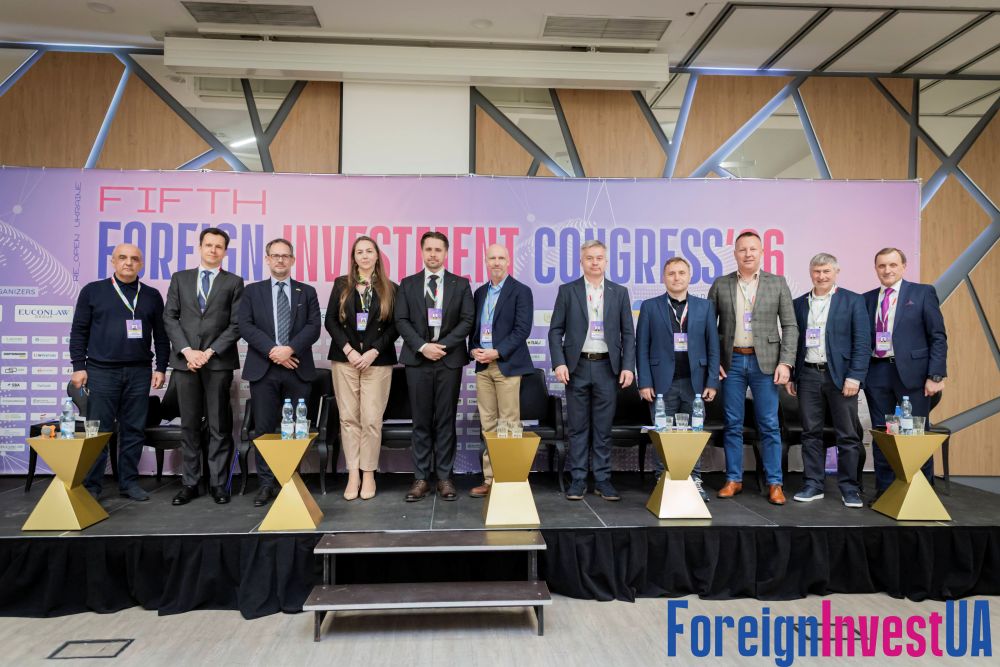
Within the framework of Panel 6.2 “Ukraine’s Agricultural Sector as a Driver of Economic Recovery and a Guarantor of Global Food Security: Investments in Resilience, Recovery, and Modernisation,” participants discussed the role of the agricultural sector in Ukraine’s economic recovery, prospects for attracting investment, and the key challenges the industry faces under wartime conditions. The panel was moderated by Inna Meteleva, Senior Project Manager for Ukraine, TheCityUK (United Kingdom).
During the discussion, participants emphasised that the agro-industrial sector remains one of the key pillars of Ukraine’s economy, generating foreign exchange earnings, providing employment, and making a significant contribution to global food security. They highlighted the resilience of Ukrainian agricultural producers, who continue operating despite wartime risks, damaged infrastructure, and logistical constraints.
One of the central topics of the panel was the need to shift from exporting raw materials to producing higher value-added products. Experts stressed the importance of developing the processing industry, particularly livestock production and biotechnology. According to their estimates, the development of the pig farming sector alone could generate between EUR 6 and 12 billion in added value annually for Ukraine, while the introduction of modern technologies and processed agricultural products could significantly enhance this economic impact. Participants also noted Ukraine’s competitive advantage stemming from its lower production costs—less than EUR 1 compared to more than EUR 2 in EU countries.
Particular attention was paid to the need for investment in production modernisation, the expansion of processing capacities, the restoration of irrigation systems, and the implementation of innovative agricultural technologies. Participants also discussed the demining of agricultural land, war-risk insurance, and expanding access to financing for businesses.
Summarising the discussion, participants noted that the future of Ukraine’s agricultural sector lies not only in increasing production volumes but also in building a more technologically advanced, sustainable, and competitive development model capable of ensuring long-term economic growth and strengthening Ukraine’s position in global markets.
Panel speakers: Bahrat Akhidzhanov, Director of the Department of Agricultural Development, Ministry of Economy, Environment and Agriculture of Ukraine; Mykhailo Hranchak, Senior Investment Banker (Ukraine); Yaroslav Honcharenko, Investment Analyst, Ukraine-Moldova American Enterprise Fund (USA); Wesley Jordan, CEO, VisionFund Ukraine (USA); Oleksii Parkhomchuk, Investment Director, Impact Fund Denmark (Denmark); Mykola Babenko, Executive Director, Association of the Meat Industry of Ukraine (Ukraine); Vitalii Ilchenko, CEO, UKRAVIT (Ukraine); Bohdan Senchuk, President of SBA, Advisor to Swedfund PA (Sweden); Oliver Gierlichs, General Manager of Bayer Ukraine (Germany).
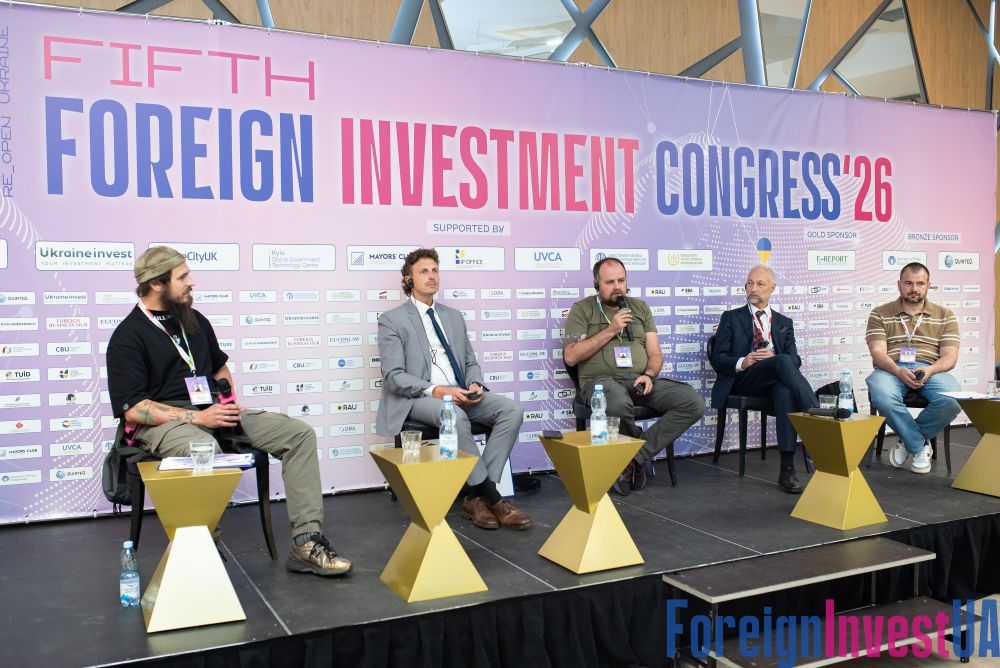
Within the framework of Discussion 7.1 “From the Battlefield to the Global Market: Ukrainian Defence Startups and Veteran Entrepreneurs,” participants focused on the transformation of Ukraine’s defence sector during wartime, the role of veterans and military personnel as key innovators, and the challenges of scaling defence technologies to international markets. The panel was moderated by Artem Pyndyk, Brand Ambassador, DECPT (Ukraine).
Speakers noted that Ukraine has effectively become a unique testing ground for defence solutions in real combat conditions, where development cycles have accelerated dramatically: the period from concept to battlefield deployment can be as short as three to five months.
Particular emphasis was placed on the role of veterans and military personnel as key sources of practical innovation. Their experience enables the rapid creation and adaptation of solutions to frontline conditions, particularly in the fields of robotic systems and unmanned technologies. At the same time, participants noted the challenges of integrating veterans into business activities due to limited time availability, the specifics of military service, and the complexities of commercialising innovations.
Among the key challenges identified were intellectual property issues and investment uncertainty. Speakers stressed that patent registration timelines of 9–12 months do not correspond to the pace of defence technology development, while legal risks related to intellectual property remain a significant barrier, particularly for innovations created during military service. At the same time, growing interest from international investors was noted, although some still require companies to be registered outside Ukraine.
Participants also discussed regulatory barriers, particularly the absence of a unified and transparent export control framework. Speakers cited examples of differing interpretations of permits for exporting product samples, creating uncertainty for companies and complicating cooperation with international partners. The need for a clear and consistent set of rules applicable to all market participants was emphasised as a means of reducing regulatory uncertainty.
In conclusion, participants agreed that Ukraine’s defence sector is already shaping a new innovation model based on speed, practical combat experience, and close cooperation between military personnel, engineers, and entrepreneurs. Transparent rules, effective interaction between the state and innovators, and the establishment of a clear investment framework for international capital remain essential conditions for further development.
Panel speakers: Ryan Grant Little, Chairman and Co-Founder, Invest in Bravery (Canada); Taras Ostapchuk, Director, Ratel Robotics (Ukraine); Jānis Bordāns, Lawyer and Expert in Governance and Institutional Risk Control (Latvia); Myroslav Riabyi, Chief Designer, National Aviation University of Kyiv Aviation Institute.
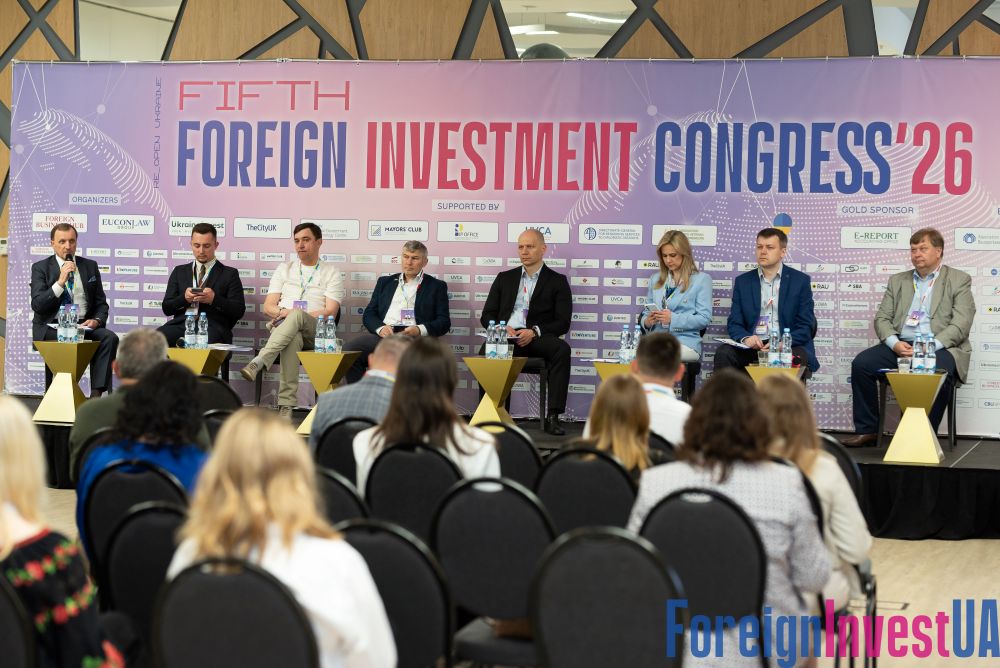
The second day of the Foreign Investment Congress opened with the panel discussion “From Construction Site to Investment Magnet: Does a Community Have a Development Strategy That Attracts Capital, Creates Value for Investors, and Transforms It into Community Development and Prosperity?” The panel was moderated by Yaroslav Romanchuk, Managing Partner of EUCONLAW Group.
The discussion covered both the national level of regional policy and practical approaches used by regions to develop investment propositions. It was emphasised that Ukraine is already progressing through the European integration process in the field of regional policy, including the screening under Chapter 22 and the implementation of the principles of EU Regulation 1060. In this context, the government is preparing a new Regional Development Strategy for 2028–2034, which is expected to be more functional and tailored to different types of territories—from frontline communities to regional growth centres.
Particular attention was paid to the issue of institutional capacity at the local level. Participants noted that a significant share of projects currently included in regional project portfolios does not generate sufficient economic added value, which complicates efforts to attract international financing.
An important part of the discussion was dedicated to presenting the investment potential of different regions, each demonstrating distinct models of economic specialisation and development. Odesa Region positions itself as a logistics, agricultural, and tourism hub, with a growing focus on winemaking and international infrastructure and social projects. Kharkiv Region is focused on the development of engineering, IT, and the defence sector, as well as agricultural processing and energy projects within the broader reconstruction agenda. Vinnytsia Region continues to demonstrate steady growth in foreign direct investment and is actively expanding its network of industrial parks and scientific initiatives. Sumy Region is implementing a cluster-based development model, particularly in waste processing and agricultural production, including export-oriented projects. Dnipropetrovsk Region remains one of the country’s key industrial centres, supported by a strong industrial base and the significant presence of international manufacturing companies.
Participants also presented approaches to international financial support, including grant mechanisms for the preparation of feasibility studies in the fields of infrastructure, energy, transport, and social services. It was noted that the key prerequisite for the successful implementation of such programmes is the availability of well-prepared and professionally structured projects, while access to financing for some frontline regions remains constrained by institutional and insurance-related barriers.
In conclusion, participants agreed that effective capital attraction requires a systemic approach, including the development of transparent project pipelines, the strengthening of investment promotion practices, and more active engagement with international partners.
Participants in the discussion included: Vitalii Protsenko, Director of the Department of Regional Policy and Reintegration of Territories, Ministry for Communities and Territories Development of Ukraine; Serhii Kononenko, Director, Odesa Regional Development Agency (Ukraine); Bohdan Senchuk, President of SBA, Advisor to Swedfund PA (Sweden); Yevhenii Lukianenko, Director, Kharkiv Regional Development Agency (Ukraine); Yelyzaveta Savchuk, Director, Vinnytsia Regional Development Agency (Ukraine); Vitalii Rastorhuiev, Director, Sumy Regional Development Agency (Ukraine); Alim Molodan, Deputy Director, Dnipropetrovsk Investment Agency (Ukraine).
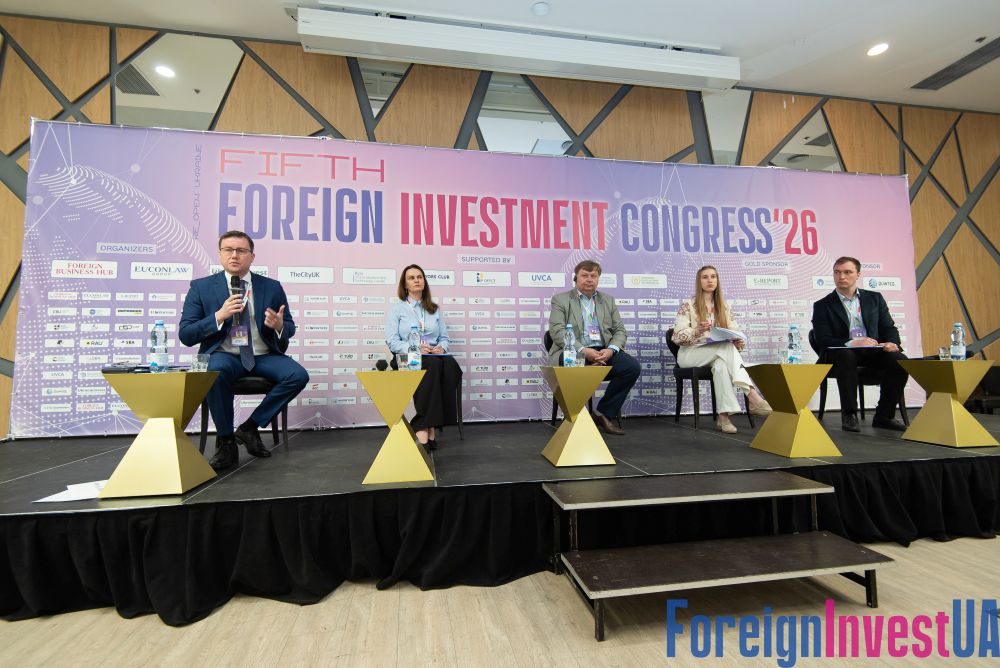
As part of the second day of the Congress, a series of panels dedicated to regional investment project presentations took place, featuring representatives of the Dnipropetrovsk, Kharkiv, Khmelnytskyi, and Vinnytsia regions, as well as the Bucha Community, Lutsk City Council, Sumy City Council, and the Sievierodonetsk City Military Administration. The panels were moderated by Sergiy Tsivkach, CEO of Capital 482 (Ukraine).
The key message of the discussions was the need to move from general ideas to bankable projects—well-prepared, structured, and financially viable initiatives that meet the requirements of international investors and financial institutions.
According to the figures presented during the discussion, Ukraine attracted approximately USD 15 billion in capital investments in 2025, of which around 70% came from businesses’ own resources, approximately 5% from bank and international financing, and only 0.1% from foreign direct investment.
Alim Molodan, Deputy Director of the Dnipropetrovsk Investment Agency, presented a portfolio of projects in industry, energy, and infrastructure recovery. Key priorities include industrial parks, waste processing, distributed power generation, high value-added manufacturing, as well as housing for internally displaced persons (IDPs) and turnkey industrial sites.
Nataliya Yefymovych, Head of the Bucha Regional Development Agency, presented a large-scale 112 MW distributed energy generation project, consisting of three components: community-based generation, industrial generation for industrial parks, and an energy storage system. The total investment requirement is estimated at approximately EUR 144 million, with a projected payback period of around six to seven years.
Anastasiia Bilchenko, Partnership Manager at the Kharkiv Regional Development Agency, focused on human capital and resilience, presenting industrial parks, renewable energy projects, waste management systems, and social infrastructure initiatives, including housing for IDPs and critical workforce personnel. She noted that one of the solar power projects has already achieved investment-ready status and completed its pre-investment preparation phase.
Roman Uzhva, Deputy Head of the Khmelnytskyi Regional Military Administration, presented projects in agro-energy, renewable energy, and industry. Key initiatives include the development of industrial parks, bioenergy projects (including miscanthus cultivation), as well as solar and thermal energy generation. He also highlighted the strengthening of investor support mechanisms through an Investor Support Office and fast-track investment facilitation procedures.
Borys Smal, Director of the Department of Economic Policy of the Lutsk City Council, presented projects focused on sports infrastructure and recreation, including a multifunctional international-standard sports arena, tourism initiatives, and approaches to achieving the city’s energy autonomy through decentralised power generation.
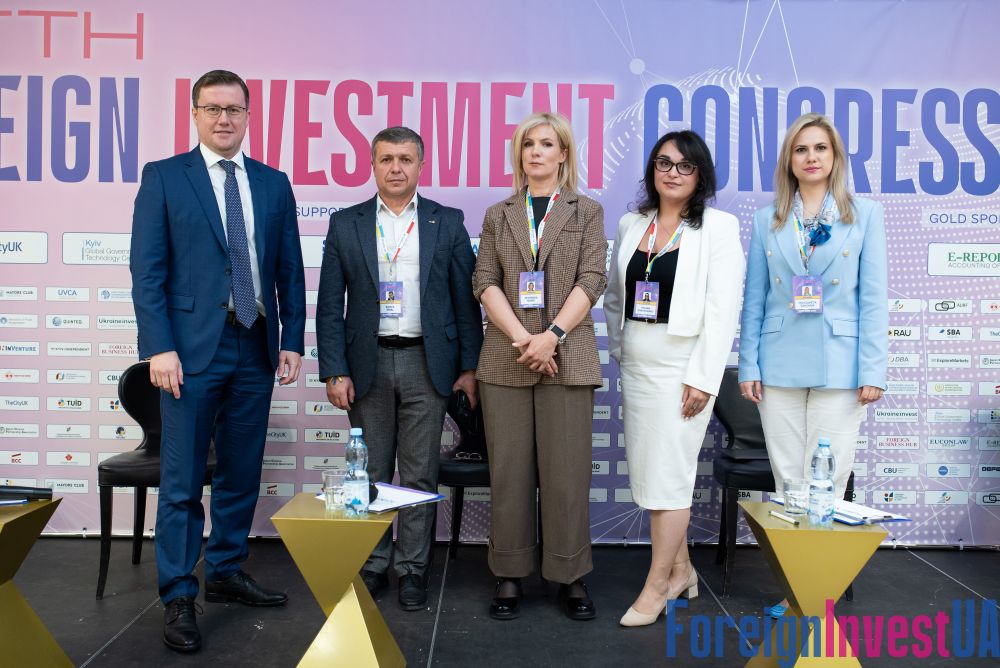
Yelyzaveta Savchuk, Director of the Vinnytsia Regional Development Agency, focused on the development of industrial parks, agricultural processing, IT, and mechanical engineering. She also presented an innovation park and infrastructure recovery projects, including the potential reconstruction of the airport and cooperation with international financial partners.
Polina Shevchenko, Chief Specialist of the Humanitarian Assistance Department of the Sumy City Council, presented a project for a modern rehabilitation centre serving civilians, veterans, and war-affected individuals, with a strong emphasis on healthcare and educational infrastructure as key components of human capital development.
Yevheniia Boiko, Head of the Sievierodonetsk City Military Administration, presented a community development model under conditions of occupation, focused on preserving human capital, relocating healthcare institutions, and preparing an investment platform for future reconstruction. Key initiatives include a rehabilitation centre and the development of manufacturing projects in partnership with international companies.
In conclusion, participants emphasised that attracting investment depends not only on the availability of projects but also on their quality, transparency, sound financial structuring, and effective investor support throughout every stage of implementation.
You can view the communities‘ presentations by following this link: https://drive.google.com/drive/folders/1D5wbGiYDMt-c6iULFFFTNxN8uDre-QcF?usp=sharing
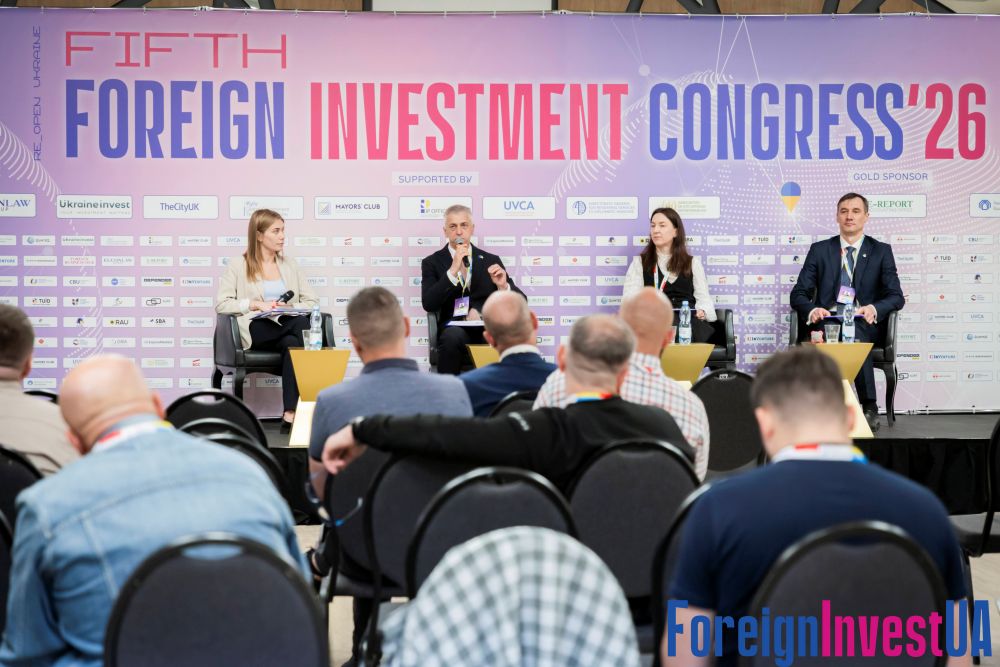
Within the framework of the Congress, a dedicated thematic block focused on the development of veteran entrepreneurship was presented, bringing together a series of practical panels. It included a panel discussion on the tools of the Horizon Europe FP9 programme, as well as a masterclass on access to grants and financing for veteran entrepreneurs.
The panel discussion “Support Instruments and Opportunities within the Horizon Europe FP9 Programme for Veteran Businesses” focused on practical opportunities for Ukrainian businesses to participate in European research and innovation programmes. The panel was moderated by Liia Kotiash, Charitable Foundation “Redut”. Speakers included representatives of the Horizon Europe Office in Ukraine: Igor Taranov, PhD in Economics, Associate Professor, Head of Department; Maksym Kolisnyk, Senior Specialist; and Nataliia Didenko, Deputy Head.
During the discussion, key opportunities of the Horizon Europe programme — the EU’s ninth Framework Programme with a total budget of EUR 95.5 billion running until 2027—were presented. Despite Ukraine’s non-full membership in the EU, Ukrainian organisations participate without paying contributions. A significant increase in activity was highlighted: over the past two years, the number of applications from Ukrainian participants has grown from approximately 900 to more than 3,100, while the amount of funding attracted increased from EUR 22.7 million to EUR 64.3 million.
It was also emphasised that grant funding is non-repayable, provided that project obligations are fulfilled, and includes coverage of 25% of indirect costs without additional reporting, which is a significant advantage for small and veteran businesses.
Speakers underlined that Ukrainian businesses have access to dedicated support opportunities, including earmarked funding for Ukrainian companies and prospects for participation in European Defence Fund programmes. Participants were also introduced to different participation formats — from international consortia to individual calls and cascade funding mechanisms, which provide smaller grants with simplified participation requirements.
It was further noted that the Horizon Europe Office in Ukraine provides free support, ranging from monitoring open calls and translating information to consultations and training on proposal preparation.
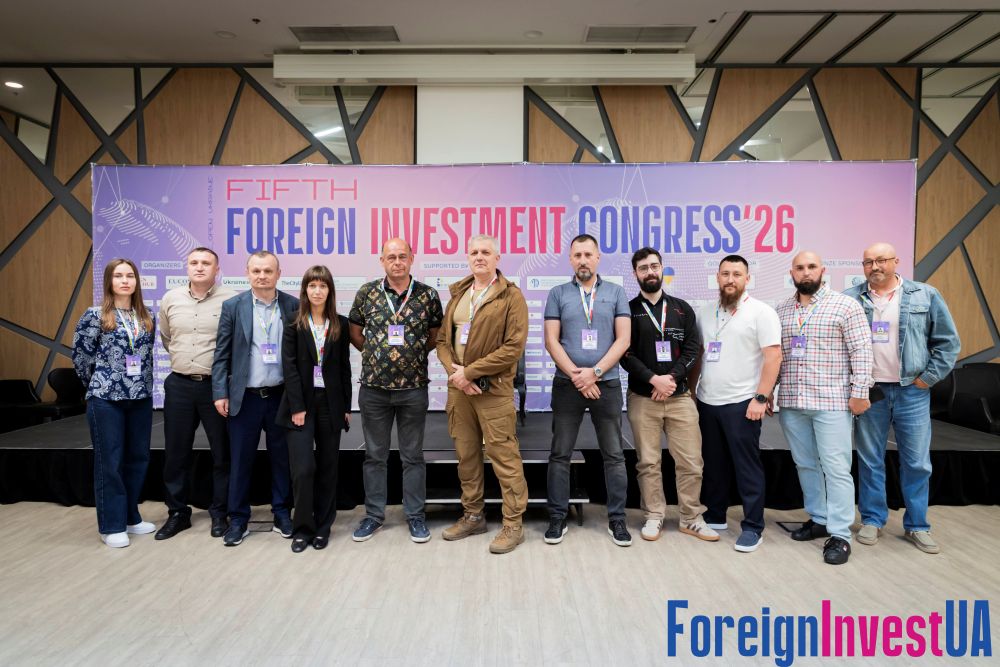
Within the masterclass delivered by Mykola Smolinskyy, President of the Central European Academy of Training and Certification, access to grants and financing for veteran businesses was discussed.
The speaker emphasised that not all veterans necessarily become entrepreneurs: only around 10% are typically suited to successfully run a business. At the same time, grant funding alone does not create a business—knowledge, skills, and the surrounding ecosystem are decisive factors. As an example, he referred to a case of 16 veterans who received state support but primarily faced a lack of business competencies rather than a lack of funding.
The concept of a “financial ladder” was also presented: at the initial stage, small grants (USD 10,000–40,000) are required; subsequently, concessional loans become relevant; and at the scaling stage, investment capital is attracted based on in-depth business analysis. It was emphasised that veteran status is not a financial advantage for banks or investors — what matters most is the quality of the business model.
Practical examples included a mobile barbershop that became profitable after logistics optimisation, and a quail farming project valued at UAH 1.5 million with a payback period of approximately 7.5 months, already being implemented in several regions of Ukraine.
The speaker also stressed that international donors, including EU programmes, operate on the principle of equal opportunity and primarily assess the viability of business ideas. The key conclusion of the masterclass was that the main barrier to veteran business development is not a lack of financing, but rather a shortage of competencies, mentorship, and high-quality project preparation.
PROGRAM
We sincerely thank all our partners for their support and trust:
The event was held with the support of: UKRAINEINVEST; Mayors‘ Club; Ukrainian Venture Capital and Private Equity Association; Асоціація підприємців – ветеранів України; Directorate-General for Rendering Services to Diplomatic Missions; Ukrainian National Office for Intellectual Property and Innovations; Global Government Technology Centre in Kyiv; TheCityUK
Gold Sponsor: Accounting office E-REPORT; EUCONLAW Group
Bronze Sponsors: QuinteQ; Association of Private Bausparkassen
Business Partners: Meat Industry Association; International Association of Polish Entrepreneurs in Ukraine; Canada-Ukraine Chamber of Commerce; DANISH BUSINESS ASSOCIATION; International Turkish Ukrainian Businessmen Association; Ukrainian Chamber of Commerce in Japan; Swedish Business Association; Ukraine-India Business Association; National Association of Banks of Ukraine; Czech-Ukrainian Chamber of Industry & Commerce; Explore Markets; Confederation of Builders of Ukraine; Japan Ukraine Partnership Association; New Zealand-Ukraine Business Association; Association of Ukrainian Businesses in Poland; Business Centre Club; Association of retailers of Ukraine; Association «Ukrainian Robotic Forces».
Information Partners: InVenture; Kyiv Independent; Defender Media
ФОТОЗВІТ: https://photos.app.goo.gl/sDRpF6iMnUpbKcpX8